Direct Answer: Why Do Office Contractors Buy Acoustic Panels?
Office contractors buy acoustic panels because modern offices often use hard surfaces that increase echo, noise reflection, and speech discomfort. Moreover, acoustic panels help project teams improve sound comfort while adding decorative wall or ceiling value.
However, B2B buyers should not choose acoustic panels only by color. Instead, they should compare NRC data where available, material structure, thickness, density, surface finish, fire-related documents, VOC-related information, installation method, packing quality, MOQ, and supplier support.
Why Office Projects Need Acoustic Panels
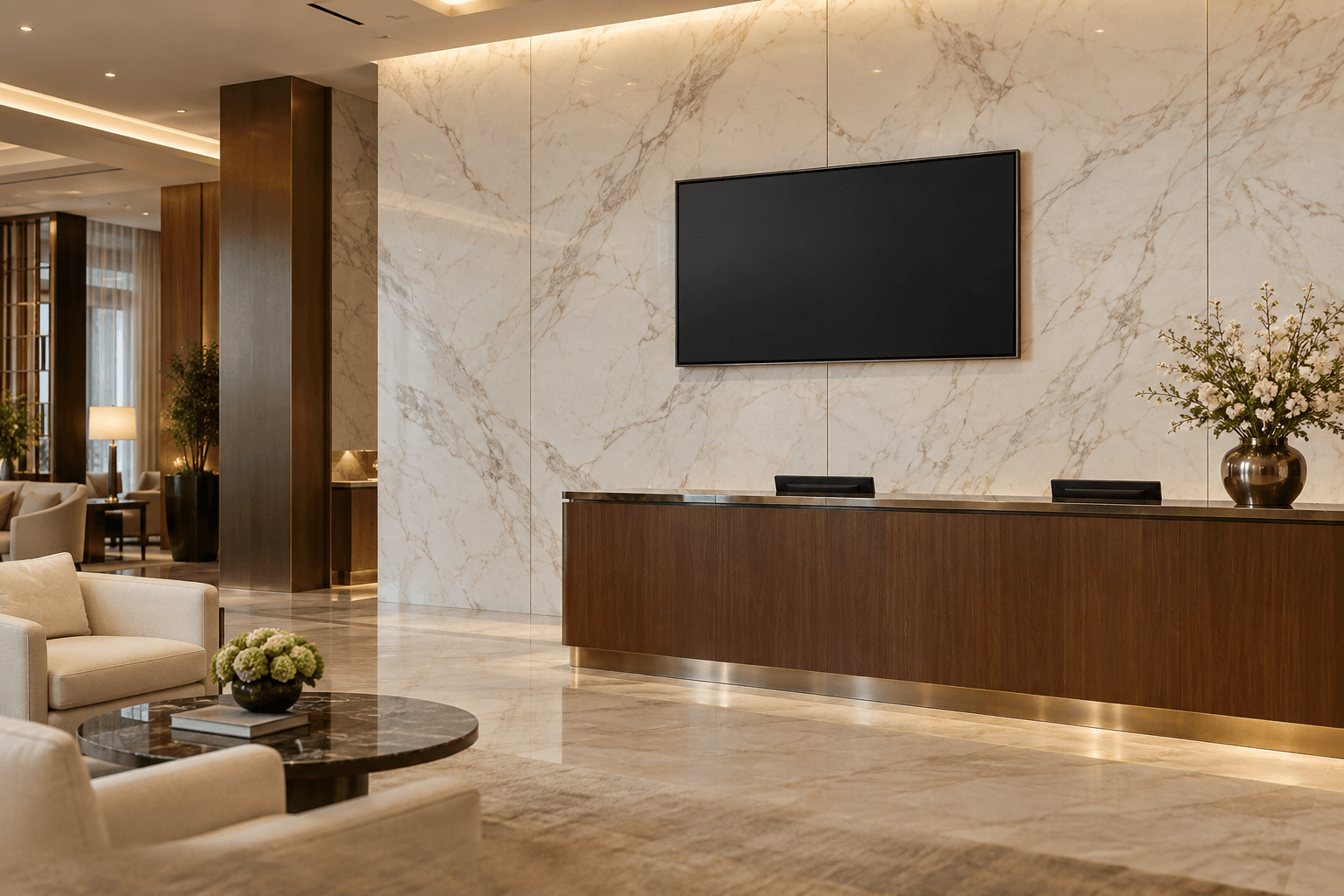
Open offices, meeting rooms, training rooms, reception areas, and call centers all need better sound control. Glass, concrete, tile, and exposed ceilings may look modern, but they often create poor acoustic comfort. Therefore, designers and contractors increasingly specify acoustic panels to reduce echo and improve speech clarity.
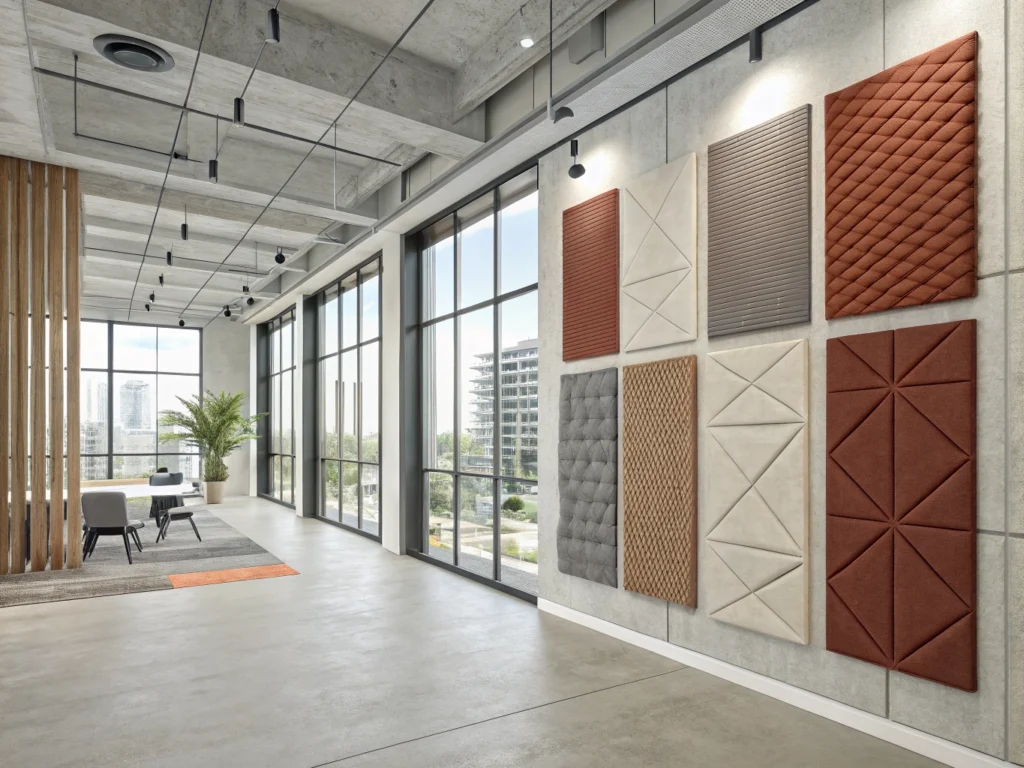
Additionally, acoustic panels can serve as decorative materials. PET felt panels, wood slat acoustic panels, fabric-wrapped panels, and grooved panels can match modern office interiors. As a result, importers and distributors can sell acoustic panels as both functional and design-driven products.
Acoustic Panels vs. Standard Decorative Panels
| Material | Advantage | Limitation | Best Use |
|---|---|---|---|
| Acoustic Panels | Sound absorption plus decoration | Buyers must verify acoustic data and documents | Offices, meeting rooms, schools, hotels |
| WPC Wall Panels | Strong decorative profile | Acoustic performance may vary | Feature walls and corridors |
| Wallpaper | Low-cost surface change | Limited acoustic effect | Light decoration |
| Curtains | Softness and some sound reduction | Less suitable for wall systems | Hospitality interiors |
| Mineral Ceiling Panels | Familiar acoustic solution | Less decorative wall value | Office ceilings |
Therefore, acoustic panels fit projects that need both comfort and visual design.
Key Specifications Buyers Should Compare
NRC and Performance Data
NRC helps buyers understand sound absorption under test conditions. However, room shape, installation method, coverage area, and backing structure also affect results. Therefore, buyers should ask for acoustic data and installation guidance before promising project performance.
Material and Thickness
PET felt, fabric-wrapped panels, and wood slat acoustic panels serve different markets. Moreover, thickness affects sound absorption, weight, and price. Importers should match material structure to customer expectations and project budgets.
Fire and VOC Documents
Office projects may require document review. Therefore, buyers should ask for available fire-related documents, VOC-related information, specifications, and warranty terms. Additionally, local rules should guide final product selection.
Packing and Surface Protection
Acoustic panels can suffer corner damage, fabric marks, or slat damage during shipping. Therefore, buyers should confirm carton strength, pallet options, surface protection, and container loading.
ROI for B2B Buyers
Acoustic panels can support higher margins because they solve a real project problem. Moreover, contractors can offer acoustic upgrades to offices, hotels, schools, restaurants, and studios. However, buyers should calculate total landed cost, sample display cost, dealer margin, installation accessories, damage rate, and repeat demand.
Consequently, a well-documented acoustic panel line can create stronger project trust than a low-cost but poorly supported product.
FAQ
1. Do acoustic panels block sound?
Not exactly. Many acoustic panels absorb sound inside a room, but they do not always block sound between rooms. Buyers should distinguish sound absorption from sound insulation.
2. What should importers check first?
They should check material, thickness, NRC data where available, fire documents, VOC information, packing, MOQ, and lead time.
3. Are acoustic panels suitable for wholesale distribution?
Yes. They serve offices, hotels, schools, studios, and restaurants. However, distributors should prepare clear samples and technical explanations.
4. Can acoustic panels support custom colors?
Many programs can support custom colors or OEM packaging, depending on MOQ and production requirements.
5. How can project buyers reduce risk?
They should request samples, check documents, confirm installation methods, and match product choice to room conditions.
Conclusion
Acoustic panels can help B2B buyers serve office projects with both sound comfort and decorative value. However, successful sourcing requires careful review of acoustic data, material structure, documents, packing, installation, and supplier support.
For acoustic panel samples, project quotations, or wholesale cooperation, contact Witopdecor for B2B sourcing support.

James is a content creator and decorator with five years of experience designing home decor. In his daily life, james is constantly on the lookout for the latest, great examples of house design and further optimizes his solutions. Additionally, he writes articles related to outdoor design, interior design, and architectural decorating materials to help brands build more engaging relationships with their audiences.