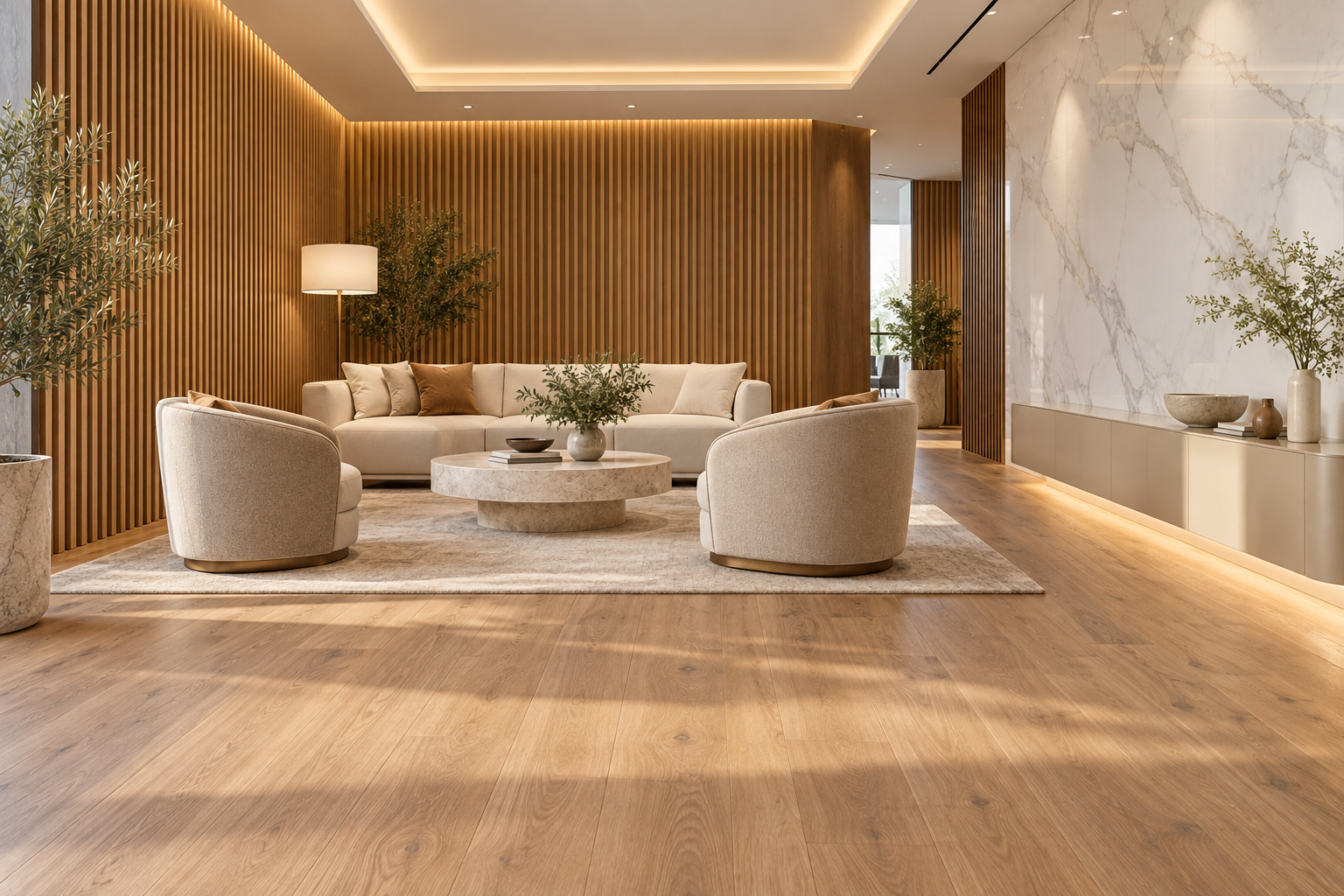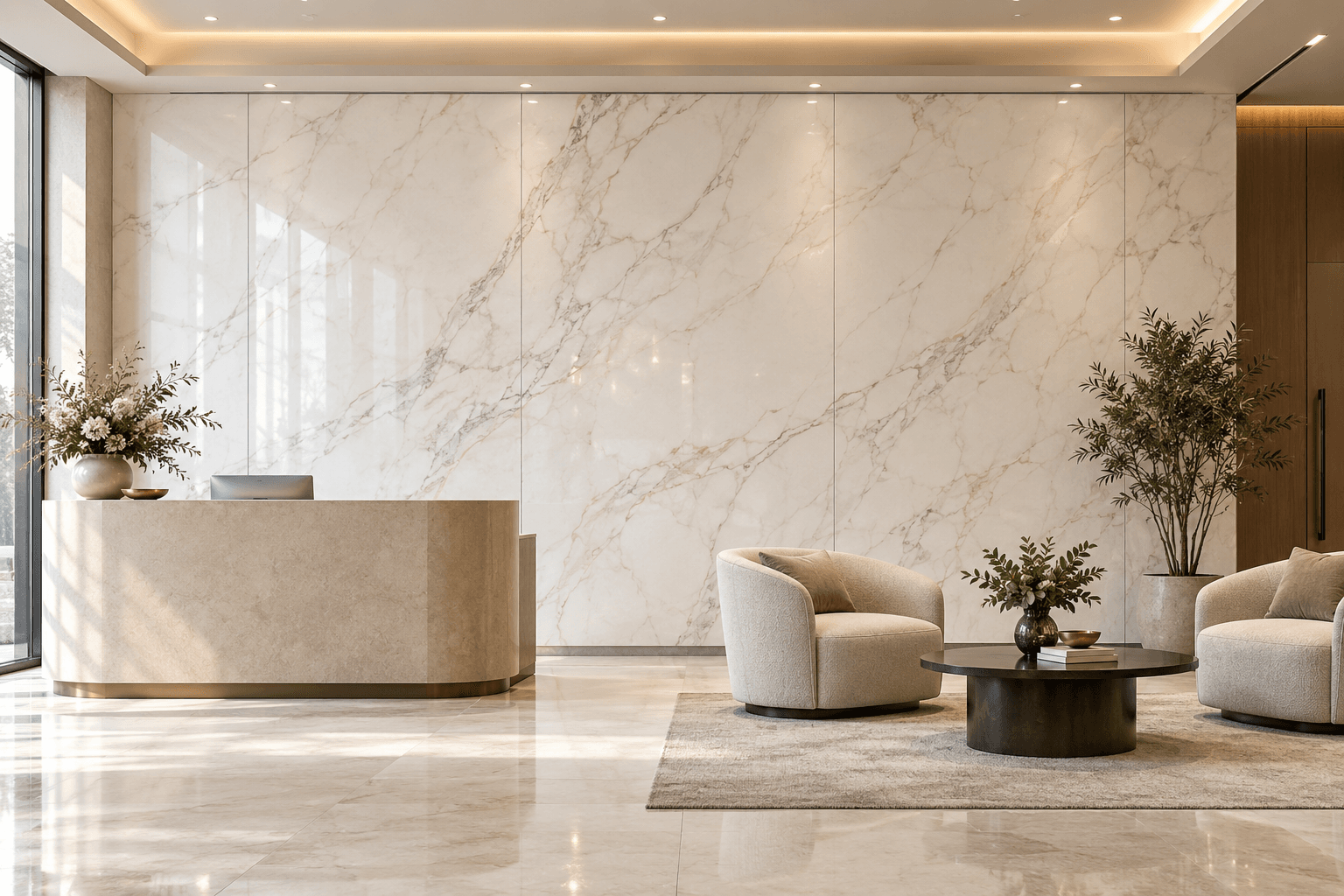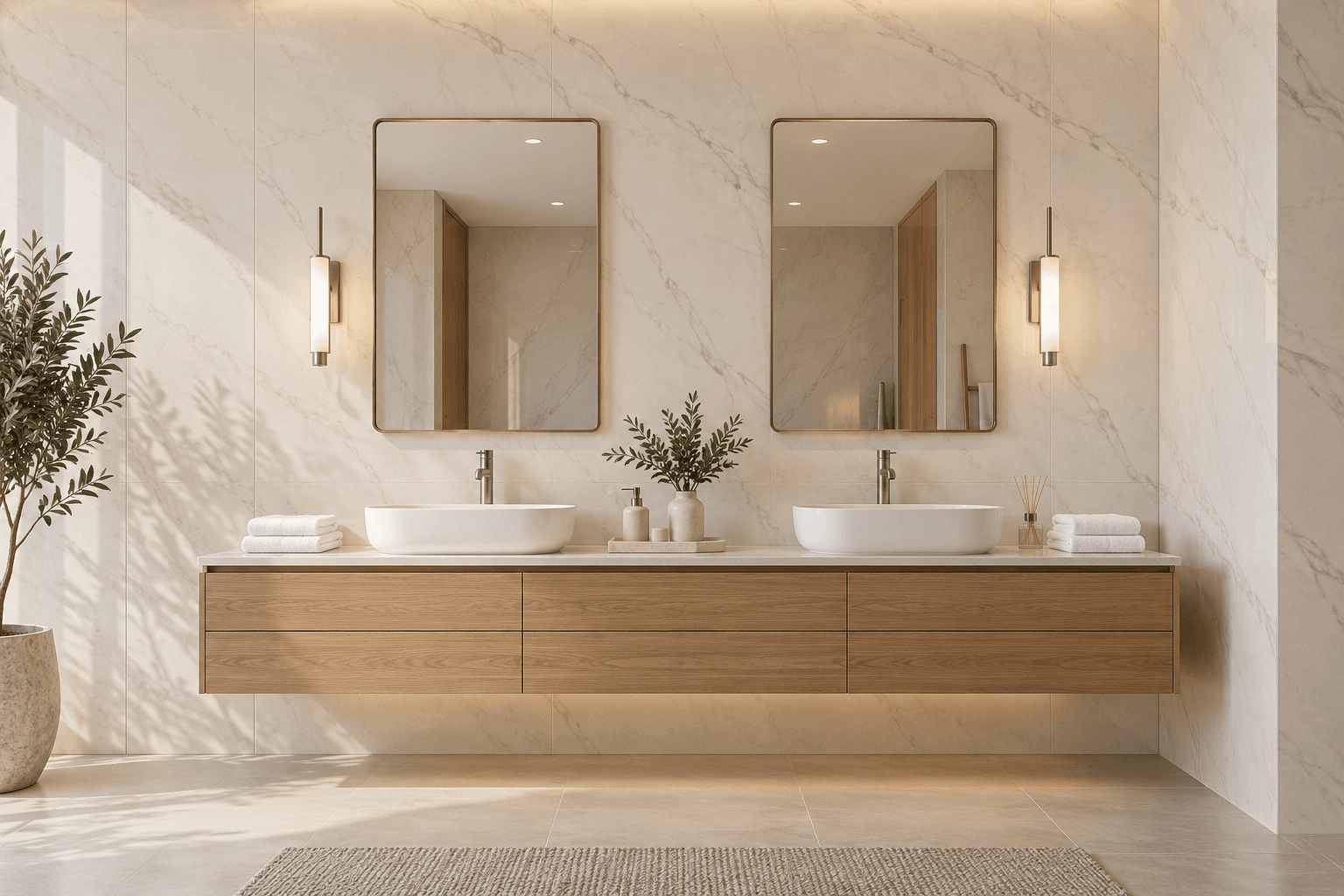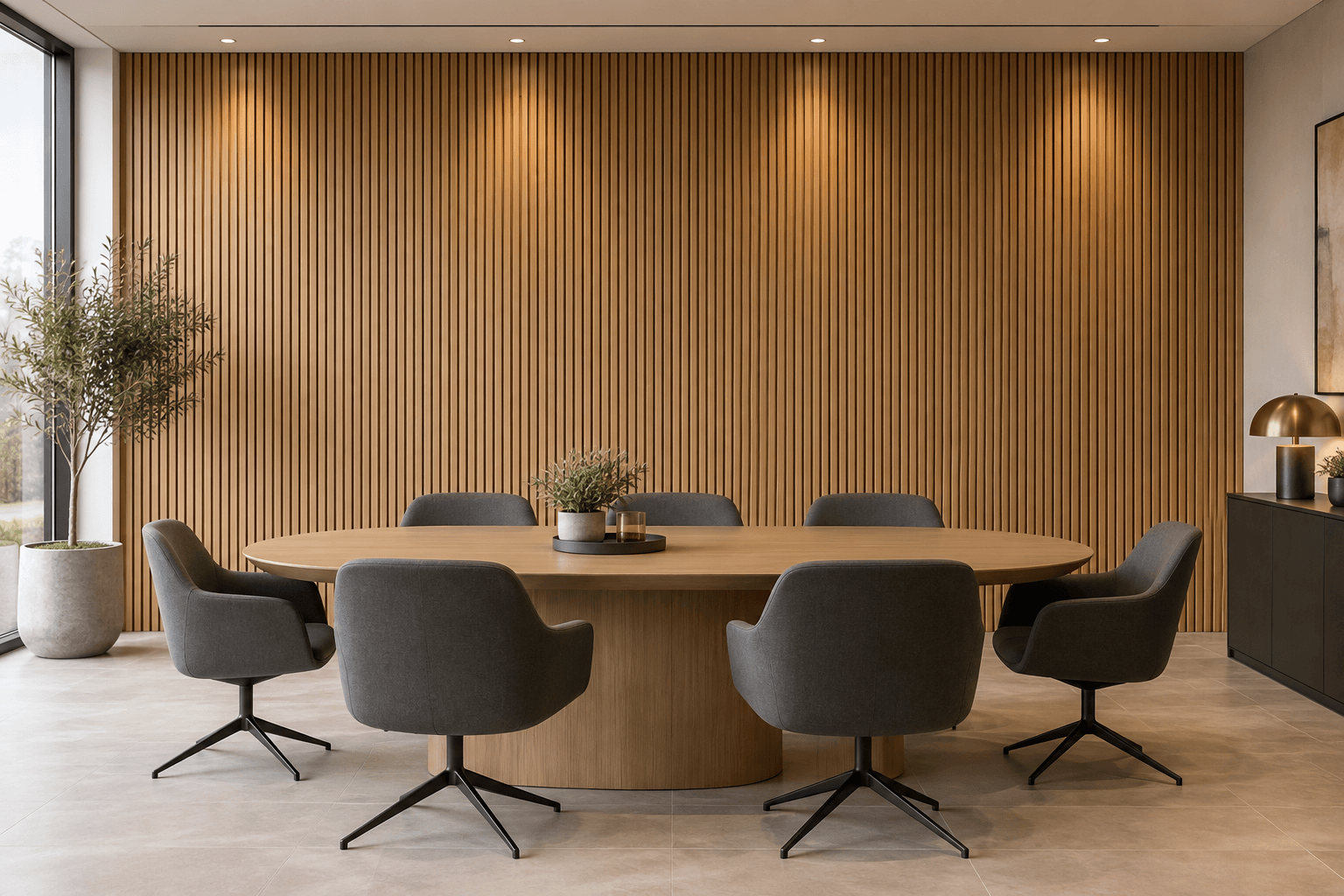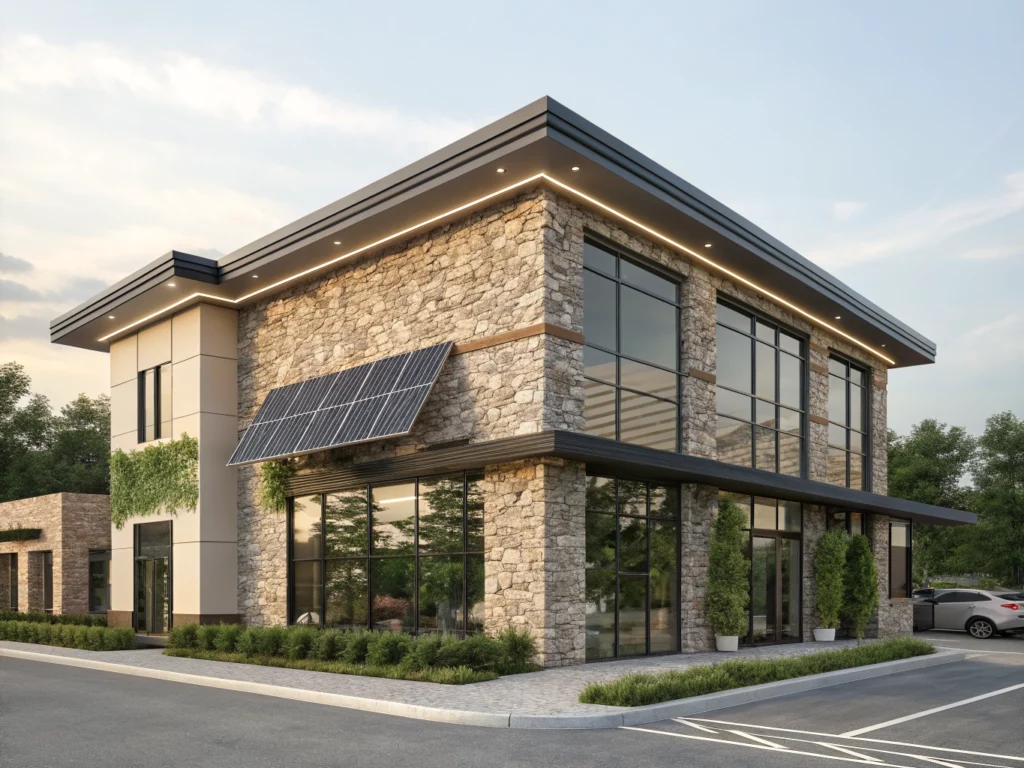
In the current global real estate market, developers are facing an unprecedented dual challenge: the need to deliver high-end, luxury aesthetics while simultaneously meeting aggressive sustainability targets and budget constraints. Specifically, traditional materials like natural stone, while beautiful, often create significant financial and environmental burdens due to their weight and carbon-intensive extraction processes. Consequently, PU Stone (Polyurethane Stone) has emerged as a disruptive force in the architectural material sector. At Witopdecor, we believe that PU Stone is not merely an alternative; rather, it is a strategic asset for B2B projects that prioritize long-term profitability and environmental responsibility. Therefore, understanding the financial and ecological impact of this material is essential for modern importers and architects.
1. The Financial Logic: How PU Stone Maximizes Project ROI
To accurately evaluate the value of PU Stone, one must look beyond the initial material cost. Specifically, the true Return on Investment (ROI) of PU Stone stems from its impact on the entire construction lifecycle. Furthermore, natural stone involves heavy structural requirements, specialized masonry labor, and significant shipping costs. Conversely, Witopdecor’s PU Stone panels are exceptionally lightweight. Consequently, developers can significantly reduce the structural load-bearing requirements of a building. Therefore, this leads to substantial savings in steel and foundation costs. Moreover, because one worker can install a large area of PU Stone in a single day, labor expenses drop by nearly 70%. Thus, the total cost per square meter of an installed PU stone wall is often 40% lower than that of natural stone, without sacrificing the premium look.
2. Sustainability: Meeting the “Green Building” Mandate
In 2026, sustainability is no longer a luxury “add-on” but a strict regulatory requirement in markets like Europe, North America, and parts of Asia. Specifically, carbon-neutral construction is becoming the industry standard. Accordingly, PU Stone provides a significantly lower carbon footprint compared to quarrying and transporting natural rock. Furthermore, Witopdecor utilizes advanced manufacturing techniques that minimize waste and energy consumption. Consequently, our PU Stone panels help projects qualify for LEED, BREEAM, and other high-level “Green Building” certifications. Therefore, by choosing PU stone, developers are not only saving money but are also future-proofing their assets against tightening environmental regulations. In addition, the thermal insulation properties of polyurethane help buildings maintain temperature efficiency, which consequently reduces long-term operational costs for heating and cooling.
3. Performance and Longevity: The “Fit-and-Forget” Solution
Durability is a critical factor for B2B buyers who manage high-value commercial properties. Specifically, natural stone is prone to cracking, water absorption, and salt efflorescence (unsightly white staining). Consequently, these issues can lead to high maintenance costs and a degraded brand image for the property. However, PU Stone is a closed-cell, non-porous material. Therefore, it is 100% waterproof and moisture-proof. Furthermore, our panels are UV-stabilized to prevent fading even in extreme tropical or desert climates. As a result, once installed, PU Stone requires almost zero maintenance. Specifically, it will not rot, warp, or support mold growth. Thus, it represents a “fit-and-forget” cladding solution that preserves the building’s aesthetic integrity for decades.
4. Design Versatility: Restoring the Beauty of Nature
One major concern for architects is whether a synthetic material can truly replicate the tactile depth of natural stone. To address this, Witopdecor has pioneered 1:1 molding technology. Specifically, we take direct molds from actual natural rock faces in various geological regions. Moreover, our multi-stage coloring process ensures that no two panels look identical. Therefore, we achieve a level of visual authenticity that satisfies even the most demanding high-end interior and exterior designers. Specifically, whether your project requires the rugged texture of mountain rock, the sleek lines of contemporary slate, or the rustic charm of old-world brick, we provide a catalog that meets every creative vision. Accordingly, wholesalers can offer a diverse portfolio that serves multiple market segments simultaneously.
5. Why Global B2B Importers Partner with Witopdecor
Navigating the complexities of international trade requires a manufacturer that understands both quality and logistics. Specifically, Witopdecor offers:
- Massive Logistics Savings: Because our panels are lightweight, you can pack up to ten times more square footage into a single 40HQ container compared to natural stone. Consequently, your international freight cost per unit is decimated.
- Compliance and Certification: Furthermore, our panels are B1 fire-rated and REACH compliant. Therefore, you can bid on professional government and commercial projects with total confidence.
- Strategic OEM Partnerships: In addition, we work closely with importers to develop custom colors and textures that align with specific regional architectural trends. Thus, we help you maintain a unique competitive edge in your local market.
Conclusion
In summary, the transition to PU Stone is driven by a powerful combination of financial efficiency and environmental necessity. Specifically, it allows developers to build faster, safer, and more sustainably. Consequently, the ROI of PU Stone is unmatched in the modern decorative materials market. At Witopdecor, we are committed to providing the technical excellence and supply chain stability that B2B buyers require to thrive in 2026. Therefore, adding PU Stone to your inventory is not just a trend; it is a smart business move that future-proofs your growth.

James is a content creator and decorator with five years of experience designing home decor. In his daily life, james is constantly on the lookout for the latest, great examples of house design and further optimizes his solutions. Additionally, he writes articles related to outdoor design, interior design, and architectural decorating materials to help brands build more engaging relationships with their audiences.