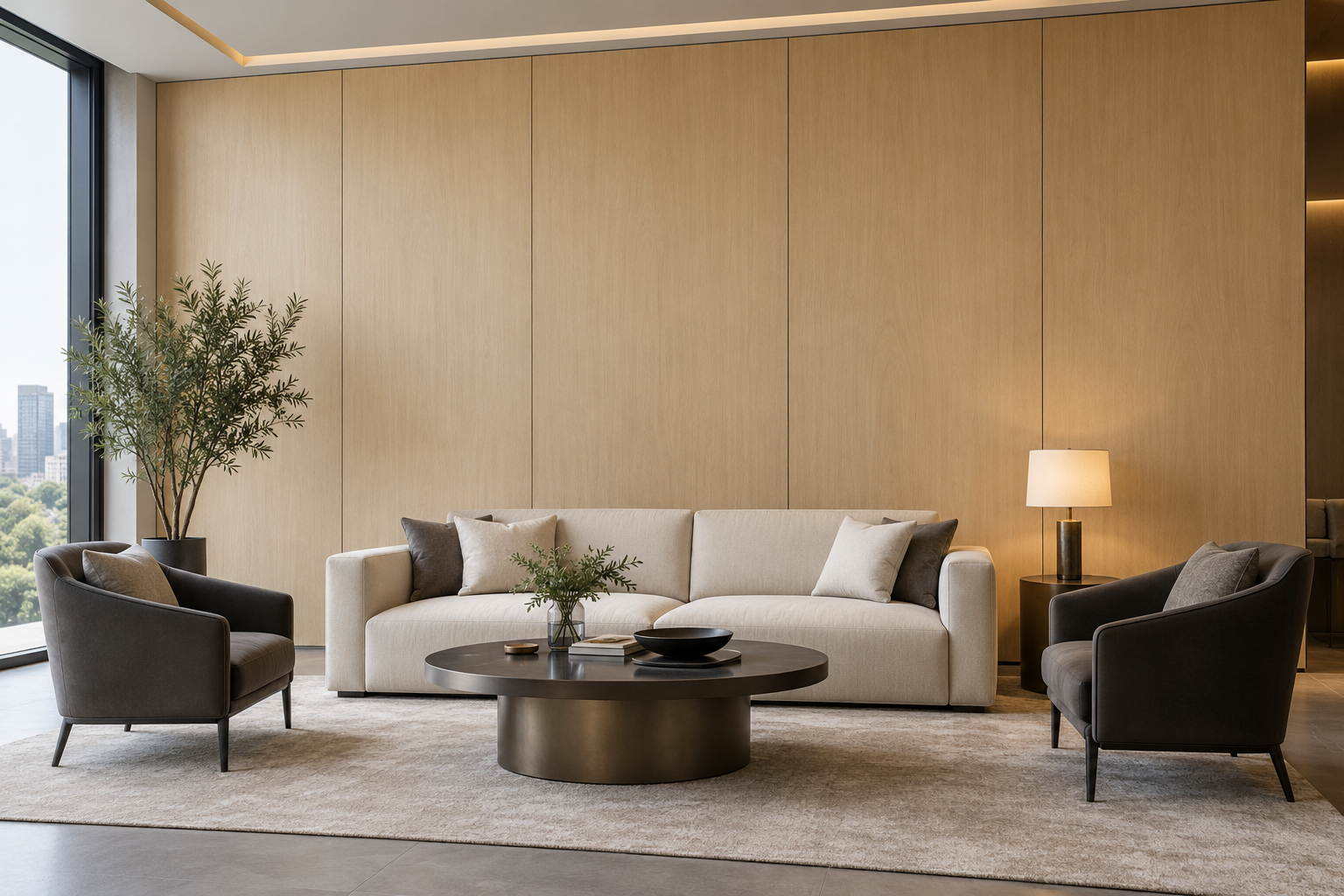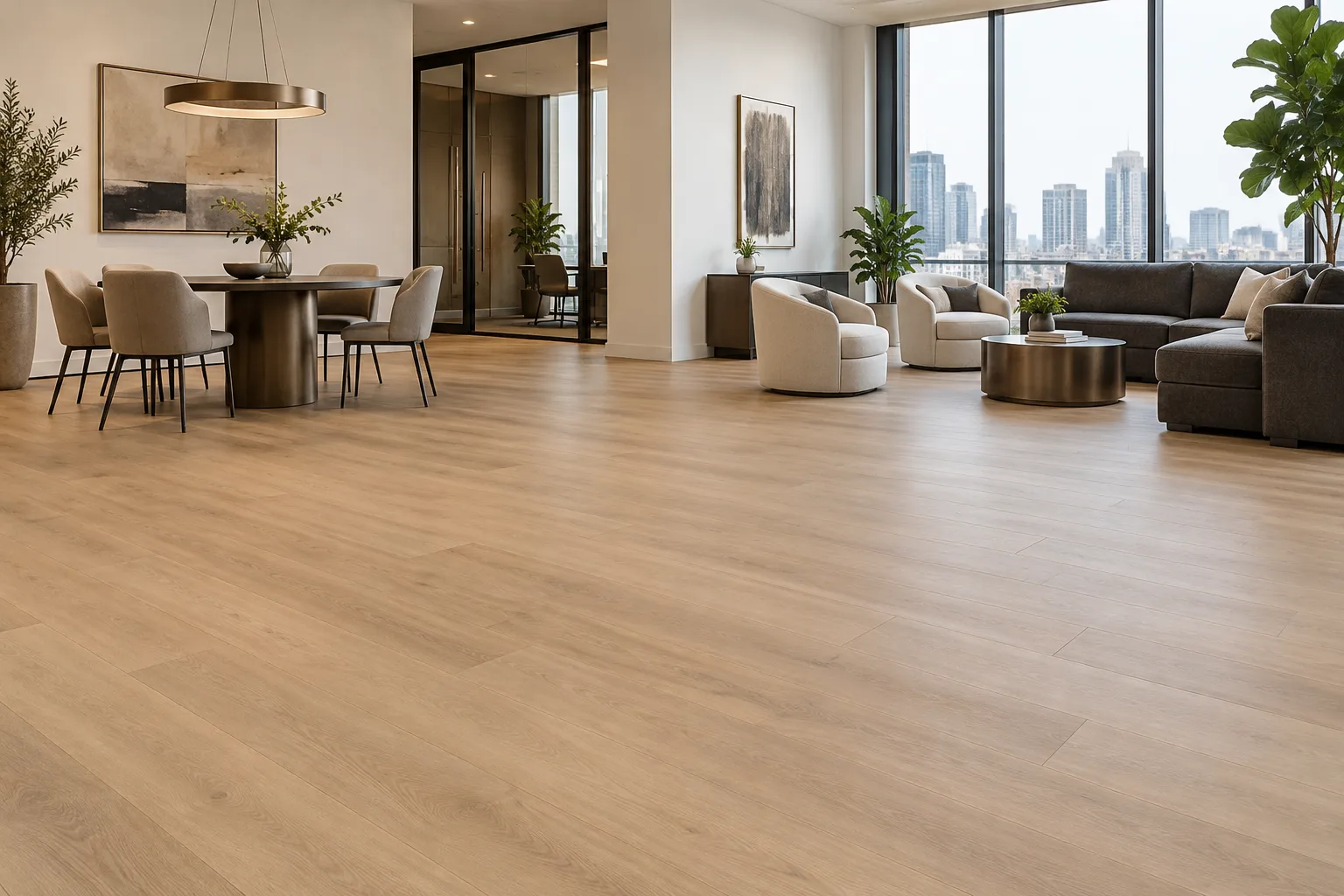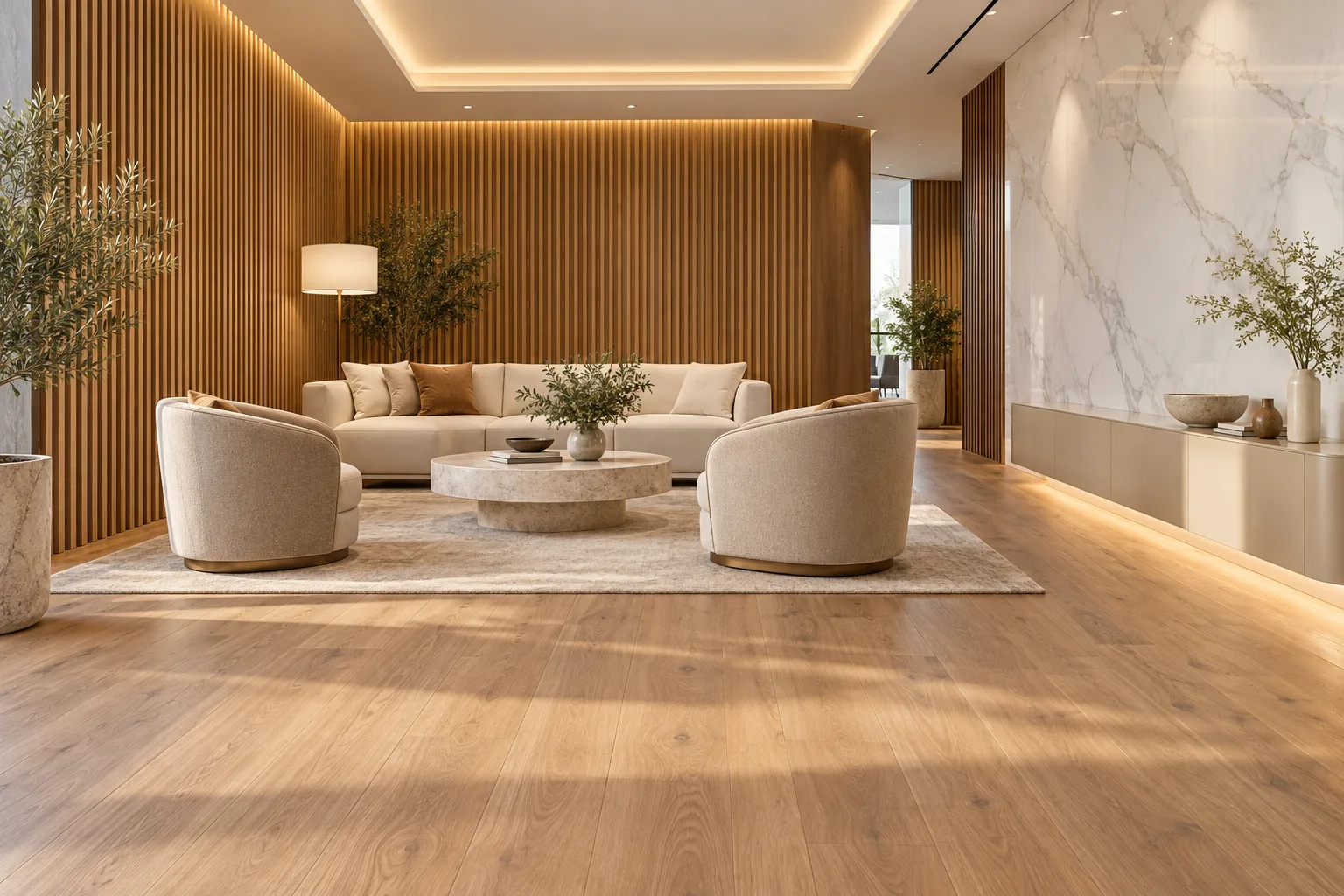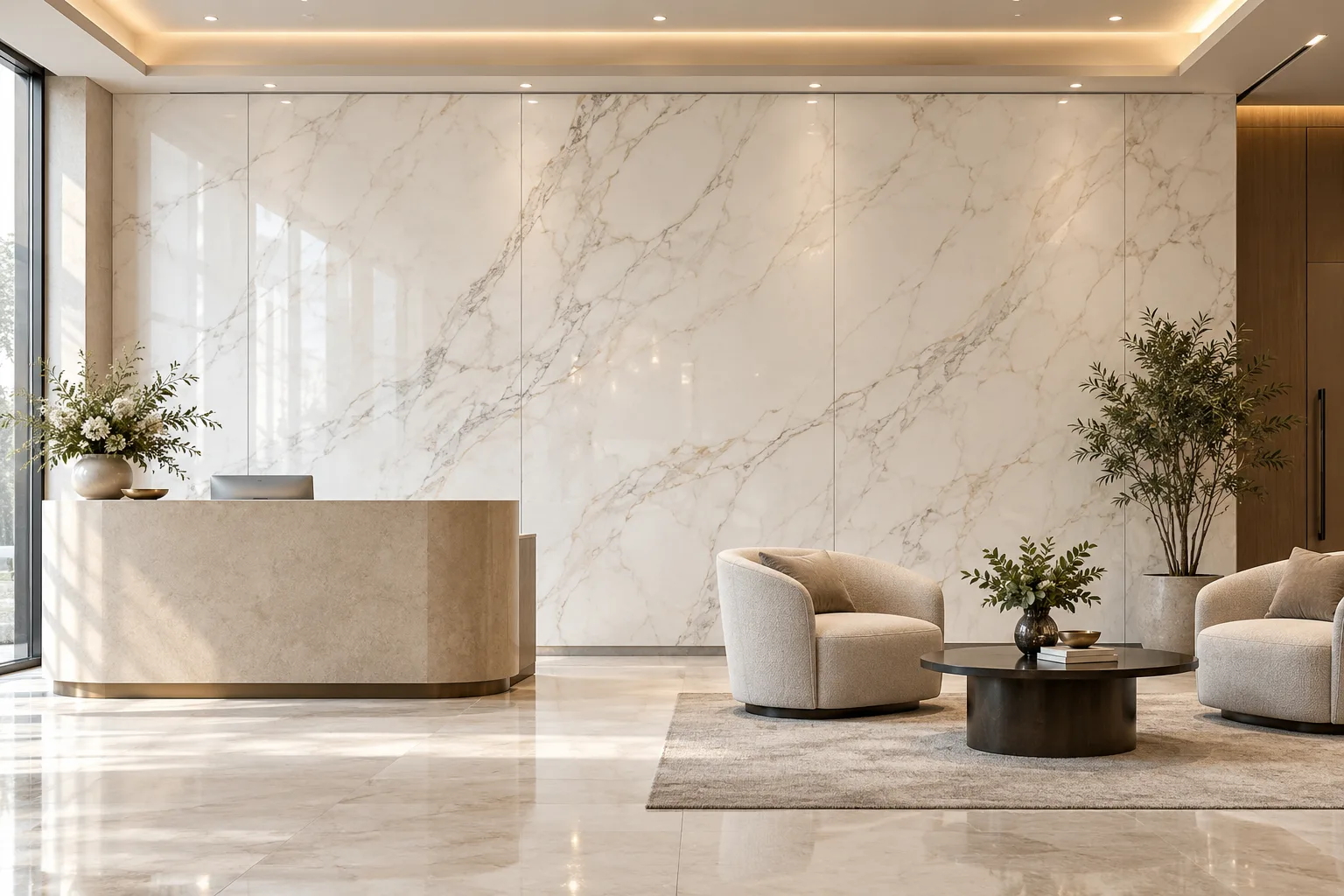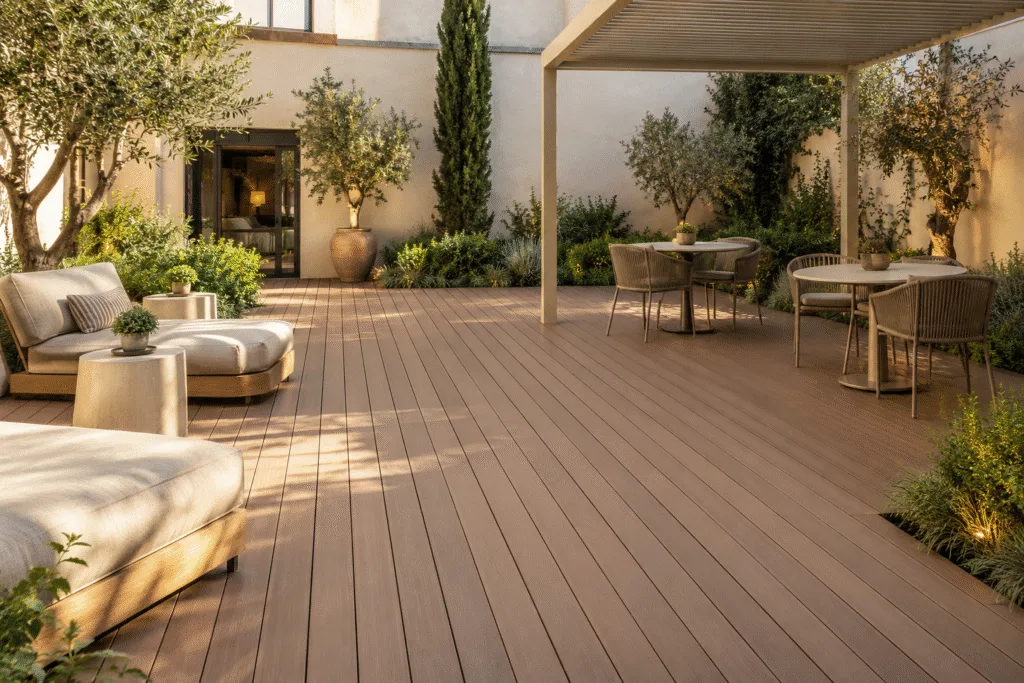
A ground-level restaurant terrace can look uniform while its seating areas experience different sunlight conditions. A pergola may shade the lunch tables, while an open perimeter strip receives afternoon sun. Therefore, an importer should connect the decking specification to the terrace’s operating hours and shade layout before comparing product offers.
For a wholesale distributor, this approach creates a more useful discussion than a general claim that one board stays comfortable everywhere. Surface observations, product documentation and the commercial layout answer different questions. Bring them together without turning a short sample review into a universal performance guarantee.
Quick Answer: How Should Buyers Assess WPC Decking in Sunlight?
Compare the exact proposed boards under matched conditions and record the exposure, time, weather, mounting arrangement and measurement method. Then review the results alongside the terrace’s shade coverage during actual service hours. Define acceptance criteria with the project team before ordering. A sample comparison can inform selection, but it cannot establish performance across every season, climate or installation.
Trex’s official decking FAQ notes that outdoor decking can become hot in direct sunlight. Its guidance and product claims concern its own materials; they do not establish Witop decking performance. The procurement lesson is to investigate the selected product and site rather than assume that the category name settles surface temperature.
Map Sunlight Against the Restaurant’s Service Hours
First, mark dining tables, circulation routes and open edges on the terrace plan. Ask the operator which areas must serve breakfast, lunch and evening customers. Then have the design team assess the changing shade pattern at those times and in the relevant seasons.
For example, a hotel courtyard might use light warm-brown WPC decking beneath a pergola, with the same finish continuing across an uncovered strip. A completed design can look coordinated while its exposure varies. However, a photograph of the shaded tables cannot represent the entire terrace or every operating hour.
Also, distinguish current conditions from proposed changes. A new canopy, a relocated table or a different nearby facade may change exposure. Record assumptions about surrounding features and ask who will confirm the final arrangement. This gives project procurement a defined site scenario instead of an attractive but incomplete reference image.
Compare Samples Under Matched Conditions
Ask the decorative building materials supplier for identified samples of each proposed SKU, including color, surface finish and profile. Compare alternatives at the same location and time with equivalent mounting and exposure. Otherwise, a shaded sample on one visit and a sunlit sample on another tell little about the difference between products.
During sample evaluation, record air conditions, wind, cloud cover and shade changes alongside the board surface observations. Use a suitable instrument and a consistent method that the responsible technical reviewer accepts. Specify measurement positions and timing; do not present an isolated reading as the board’s permanent temperature.
In addition, disclose whether the samples represent the planned support and ventilation arrangement. Small loose pieces may behave differently from a completed deck. Therefore, record that limitation rather than silently treating the setup as a full installation test. Ask the project team whether it needs further assessment before purchase approval.
Color belongs in the comparison, but a color name alone does not prove a particular result. Different formulations and finishes can complicate comparisons across product ranges. Consequently, evaluate the actual alternatives and avoid assigning an unverified temperature advantage to every lighter shade.
Turn Observations Into a Buyer Acceptance Record
Agree the review method and decision criteria before collecting results. Identify who can accept the material, who assesses remaining uncertainty and which documents the decision requires. The following record keeps commercial approval specific to the proposed product and conditions.
| Procurement dimension | Record to retain | Decision it supports |
|---|---|---|
| Product identity | SKU, profile, finish and color reference | Confirmation that the supplied board matches the review |
| Exposure scenario | Orientation, shade coverage and service hours | Selection against the intended terrace use |
| Comparison method | Setup, instrument, positions and observation schedule | Interpretation of results on a consistent basis |
| Weather context | Date, time, cloud cover, wind and relevant conditions | Recognition of the comparison’s limits |
| Acceptance authority | Named reviewers, criteria and unresolved conditions | Clear release or further assessment |
| Change control | Substitutions and revised exposure assumptions | Identification of items needing approval again |
Next, separate surface-temperature assessment from other technical specifications. The buyer still needs evidence relevant to durability, fixing requirements, loading and the intended commercial application. A favorable observation in one review does not establish those other attributes.
Similarly, do not describe a concept rendering as a completed customer project or a demonstration of thermal performance. It can explain the intended board appearance and shade arrangement while the technical record supports the purchasing decision.
Include Shade and Operating Assumptions in the Cost Comparison
Compare alternatives against the same furnished terrace layout and service schedule. Include the decking system, preparation, labor and any specified shade provision in installation cost. Ask the building contractor to price the approved support and fixing details rather than assume a generic arrangement.
Then compare maintenance cost using documented cleaning requirements and the actual shade components. A pergola or retractable canopy can introduce its own inspection and maintenance scope. Confirm that scope with its supplier rather than hiding it within a broad claim of low maintenance.
If an option depends on changing table positions or service hours, ask the operator to review that consequence explicitly. Do not invent lost revenue or promise that additional shade will produce a fixed financial return. Instead, compare the offers against a shared operating baseline and explain any departure from it.
Preserve the Approved Specification Through Ordering
Before release, buyers should verify test reports, applicable VOC limits, fire-rating documents and warranty terms for the selected product and destination. Confirm the required fire rating with the project team. Apply VOC requirements where the finish, application or destination calls for them; do not automatically impose an indoor product label on outdoor decking.
Furthermore, require another approval when a supplier proposes a different color, finish or formulation from the reviewed sample. Discuss custom colors and OEM/ODM cooperation early, since these requests may change sample approval, MOQ and lead time. Confirm availability instead of promising an unsupported specification.
Finally, send Witop Decor a bulk order inquiry with the terrace plan, quantities, destination and intended service hours. Explore the WPC decking range, request samples and technical data sheets, and discuss container loading. A project quotation can then identify the proposed product, supply scope and outstanding technical approvals.
B2B Buyer FAQs
Does WPC Decking Stay Cool in Direct Sun?
Do not make that assumption. Assess the exact product and exposure conditions, and request supporting information for any temperature-related claim. A product category does not establish a universal surface-temperature result.
Can a Buyer Approve a Board From One Sample Reading?
One reading describes limited conditions. Use an agreed comparison plan and disclose its limits. Then ask the project team whether additional evidence is necessary for the terrace’s seasonal operation.
Does a Pergola Remove the Need for Product Assessment?
No. Shade coverage changes with layout and sunlight, and some areas may remain exposed. Evaluate the selected material alongside the planned shade pattern and operating hours.
Can the Supplier Substitute a Similar Brown Finish?
Require approval before substitution. A similar visual description does not establish identical surface behavior or construction. Retain the accepted reference and review any material change against the purchasing criteria.
What Should an Importer Include in the Inquiry?
Provide quantities, location, service hours, shade plans and the required product documentation. Also identify the acceptance process so the supplier can quote sample support and material scope clearly.

James is a content creator and decorator with five years of experience designing home decor. In his daily life, james is constantly on the lookout for the latest, great examples of house design and further optimizes his solutions. Additionally, he writes articles related to outdoor design, interior design, and architectural decorating materials to help brands build more engaging relationships with their audiences.