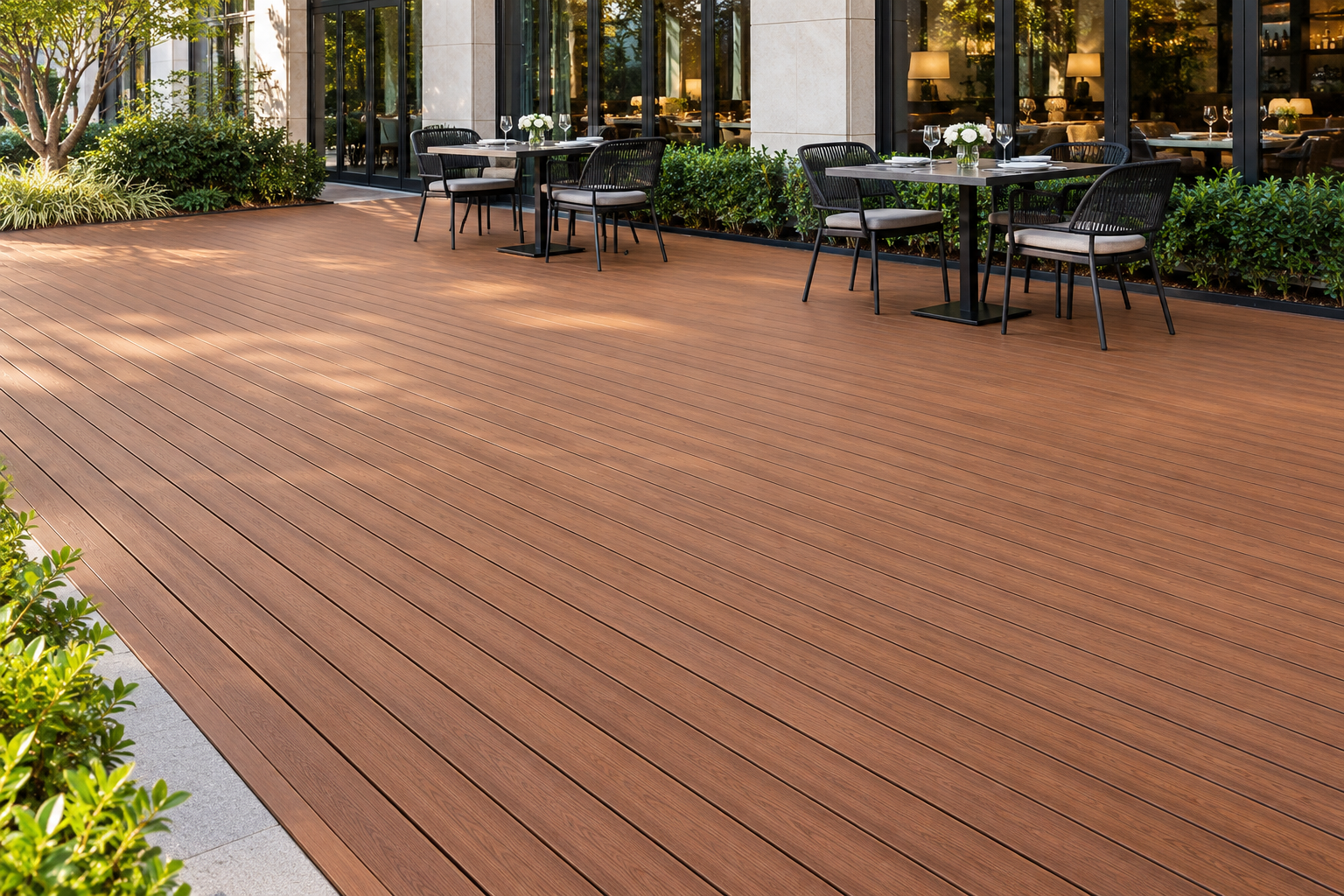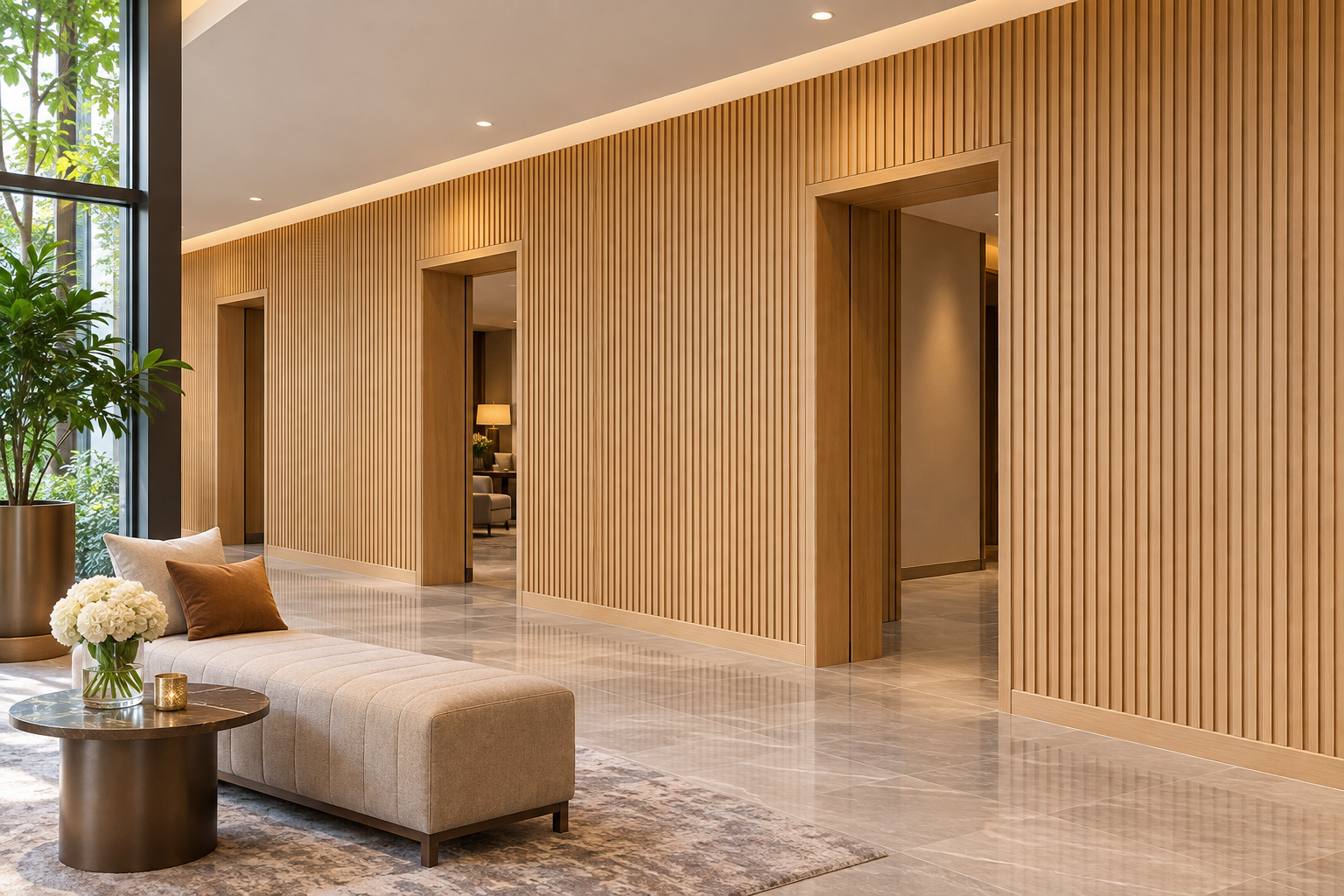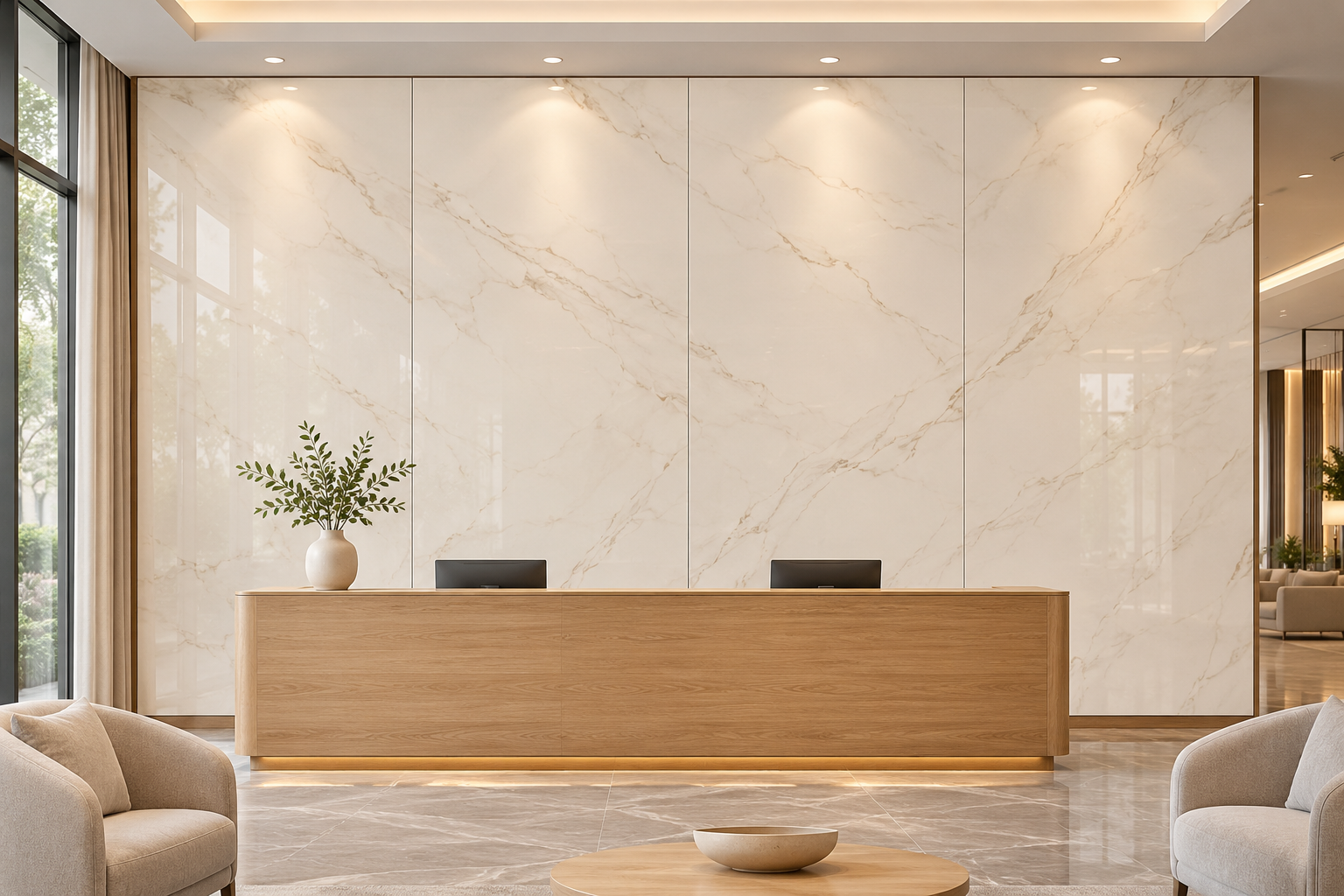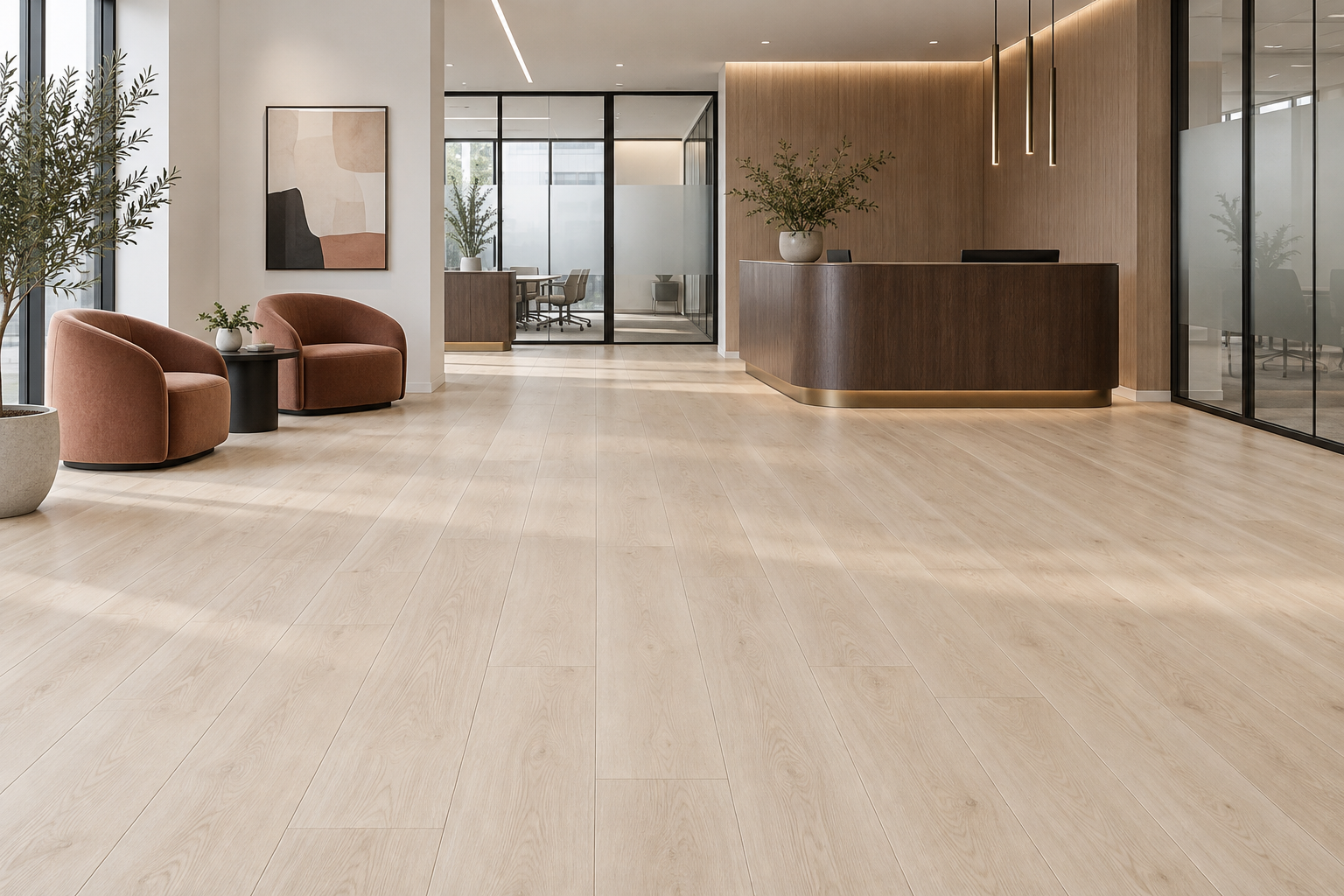
A finished hotel guest room can feature smooth, large-format bamboo charcoal wall panels behind the bed and beside a furnished seating area. However, the date when that wall looks complete may differ from the date when the contractor can remove temporary support, housekeeping can clean it or the operator can release the room. Those decisions need different evidence.
For an importer or wholesale distributor, this distinction changes the quotation conversation. A panel delivery date alone cannot establish the guest-room reopening date. Therefore, project procurement should connect material supply to the approved installation system and the hotel’s handover requirements before confirming the program.
Quick Answer: When Can a Hotel Use a Newly Finished Room?
Follow the approved panel-and-adhesive system’s instructions for installation, support removal, loading and cleaning. Then complete the project’s separate room-release checks, including relevant indoor-air requirements. Open time, initial grab, surface skin formation and full cure describe different conditions. None independently certifies a room for occupancy. Obtain written requirements for the selected assembly rather than promising a universal overnight turnaround.
Compare the Different Time References
First, ask the adhesive supplier to define the terms in its current technical data sheet. Manufacturers may use working time, open time and related terms differently. Consequently, the contractor needs the applicable definition and the event that starts each interval, not just a number copied into a tender.
| Time reference | Question for the approved system supplier | What buyers should not infer |
|---|---|---|
| Working or open time | When must the contractor join the prepared surfaces? | Permission to reposition the panel indefinitely |
| Initial grab | What does the initial hold permit under these conditions? | Full bond development or permission to remove support |
| Skin formation | How does surface skinning affect the application procedure? | Complete curing through the adhesive layer |
| Cure or strength development | Which conditions and restrictions apply before the next activity? | Automatic approval for guest occupancy |
| Room release | Which project checks must the operator accept? | Completion solely because the wall looks finished |
For example, Sika’s construction adhesive information lists skin time and cure time separately and identifies environmental conditions. This illustrates why the terms need separate review. It does not establish compatibility with bamboo charcoal wall panels or recommend that adhesive for a Witop product.
Also, distinguish the application environment from the finished room’s normal use. Ask whether the specified conditions must continue during curing and how the team will record them. A photograph of the completed wall cannot answer that question.
Confirm Compatibility Before Building a Schedule
Provide the adhesive supplier with the exact panel backing, receiving surface, intended assembly and relevant technical specifications. The decorative building materials supplier should confirm its own installation requirements too. If either party identifies a limitation, resolve it before ordering the adhesive or scheduling a trial room.
Next, include primers, preparation products and temporary support in the review where the system requires them. Do not assume that changing one component leaves the rest of the procedure valid. Likewise, an adhesive’s general claim about bonding construction materials does not confirm every backing, finish or substrate combination.
Ask specifically about the proposed bond arrangement. A thin laboratory specimen and the project’s actual assembly may present different conditions. Therefore, let the system supplier define coverage, layer geometry, preparation and curing requirements; do not invent a universal bead pattern or waiting period from a generic product description.
Use a Trial Room to Test the Sequence
During sample evaluation, approve the visible finish and the installation sequence as separate records. The first confirms the selected appearance. The second records the agreed materials, preparation, environmental conditions and checks that govern progression to the next activity.
Choose a representative guest-room wall, then include the intended junctions with skirting and adjacent finishes. Assign each release decision to a named project role. For example, the building contractor can document completion of the specified bond-related checks before handing the area to the next trade under the agreed procedure.
However, a successful trial does not authorize a different adhesive, substrate or installation environment elsewhere. Record those variables with the trial approval. If a later room differs, ask the responsible reviewer whether the existing method still applies before treating the room as a repeat.
Match Sheet Planning to Installation Capacity
Common sizes for bamboo charcoal wall panels include 1220 x 2440 mm and 1220 x 2900 mm; other dimensions may require confirmation. Compare these options against wall height, joint placement, access and the approved handling method. A larger sheet can change the layout, but it does not automatically shorten the complete installation cycle.
For instance, a procurement team might prefer fewer horizontal joints behind a hotel bed. However, it should also confirm how the contractor will position the selected format within the adhesive’s permitted working window. Avoid selecting sheet size solely from theoretical area yield while ignoring access and the actual installation method.
Then coordinate delivery quantities with available storage and room sequencing. Confirm MOQ and lead time by finish, and discuss container loading with the supplier using the agreed packaging and dimensions. Arriving earlier provides little scheduling benefit if the project lacks suitable storage or cannot release the receiving surfaces.
Keep Indoor-Air Review Separate From Bond Curing
The US EPA’s office-building indoor-air guidance identifies renovation or remodeling, new furnishings and finishes as potential pollutant sources and recommends coordination with building management before renovation. Although that guidance addresses offices, its source-management principle helps explain why a hotel should review the whole room rather than only its wall finish.
Ask the hotel’s responsible team to define its ventilation, cleaning and acceptance requirements. Where the project requires measurements or specialist review, follow that approved process. Do not present elapsed cure time, lack of noticeable odor or a panel-only report as proof that the complete room meets its indoor-air requirements.
Buyers should verify test reports, VOC limits, fire-rating documents and warranty terms for the proposed supply and application. Moreover, check the required fire rating independently of the curing schedule. Neither a fast installation claim nor an emissions document answers the fire-performance question.
Compare the Cost of a Complete Room Release
Include agreed support, environmental controls, repeat access and protection in the installation cost comparison. Also, identify which cleaning methods the operator may use after handover when estimating maintenance cost. These steps make the budget more useful than a panel-price comparison alone.
Durability and scheduling need their own evidence. A rushed room release may create rework, but a longer waiting period does not automatically prove a better bond. Instead, price the approved sequence and document the checks that support it. Keep any contingency visible rather than hiding it inside an unsupported completion promise.
B2B Buyer FAQs
Does High Initial Grab Mean the Room Can Reopen Immediately?
No. Ask what the selected system permits at that stage, then follow the separate project requirements for room handover and occupancy.
Can We Use One Cure Time for Every Hotel Location?
Only rely on guidance that covers the actual materials and conditions. If those change, request a review before copying the original schedule.
Do Larger Sheets Guarantee Faster Completion?
No. Compare the joint layout with access, handling and the approved working window. The entire installation sequence determines the practical program.
Can a Panel’s VOC Report Approve the Finished Room?
No. The room includes other finishes, adhesives, furnishings and operating conditions. Ask the responsible team to define the required acceptance evidence.
What Should Accompany a Bulk Order Inquiry?
Send elevations, quantities, intended substrates, finish preferences, destination and the room-release schedule. Identify any unresolved installation-system questions explicitly.
Request a Coordinated Supply Proposal
Contact Witop Decor to request samples, technical data sheets and a project quotation. Include custom colors or OEM/ODM cooperation requirements early. This gives the supplier and project team a clearer basis for matching panel supply to an approved installation and handover plan.

James is a content creator and decorator with five years of experience designing home decor. In his daily life, james is constantly on the lookout for the latest, great examples of house design and further optimizes his solutions. Additionally, he writes articles related to outdoor design, interior design, and architectural decorating materials to help brands build more engaging relationships with their audiences.