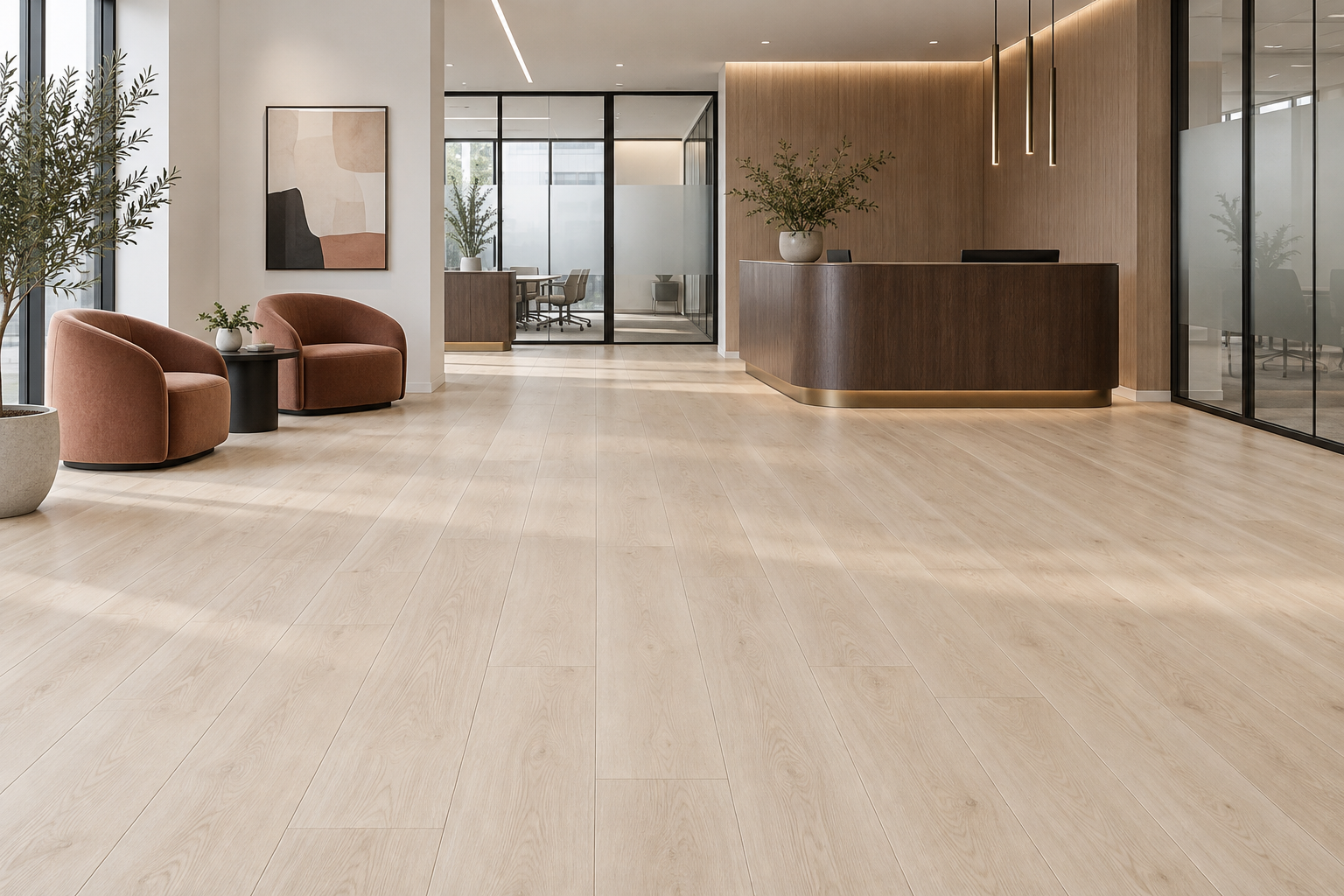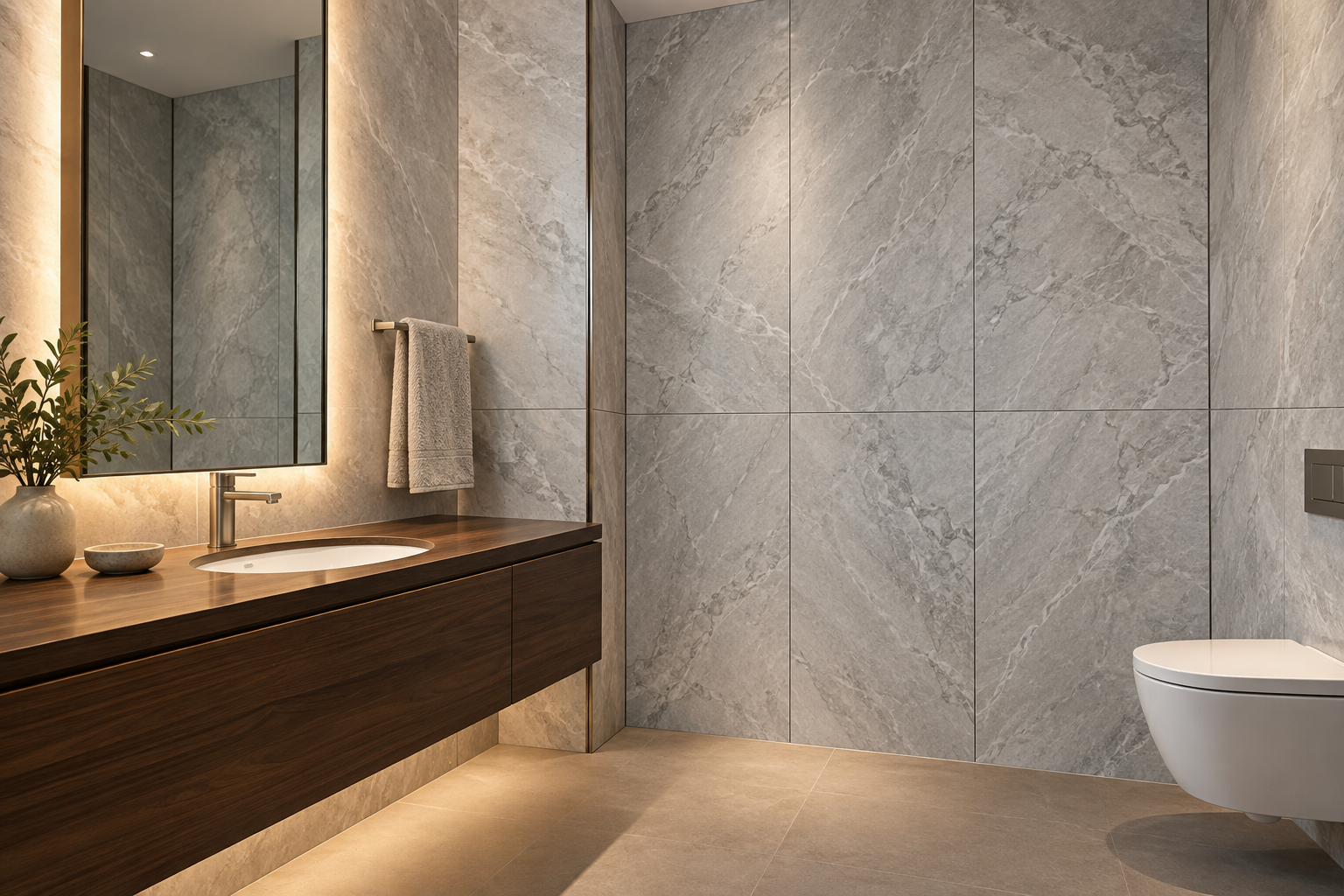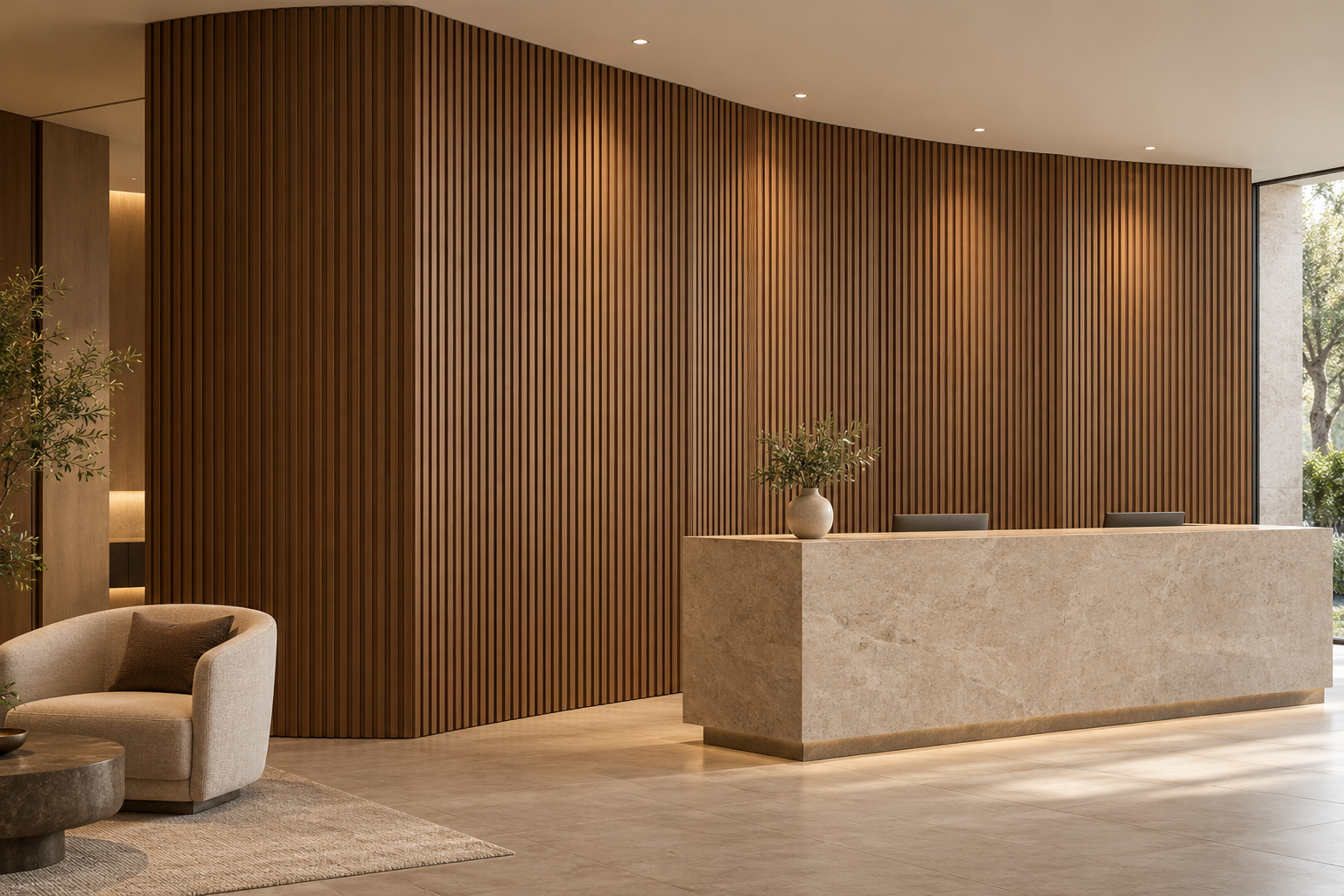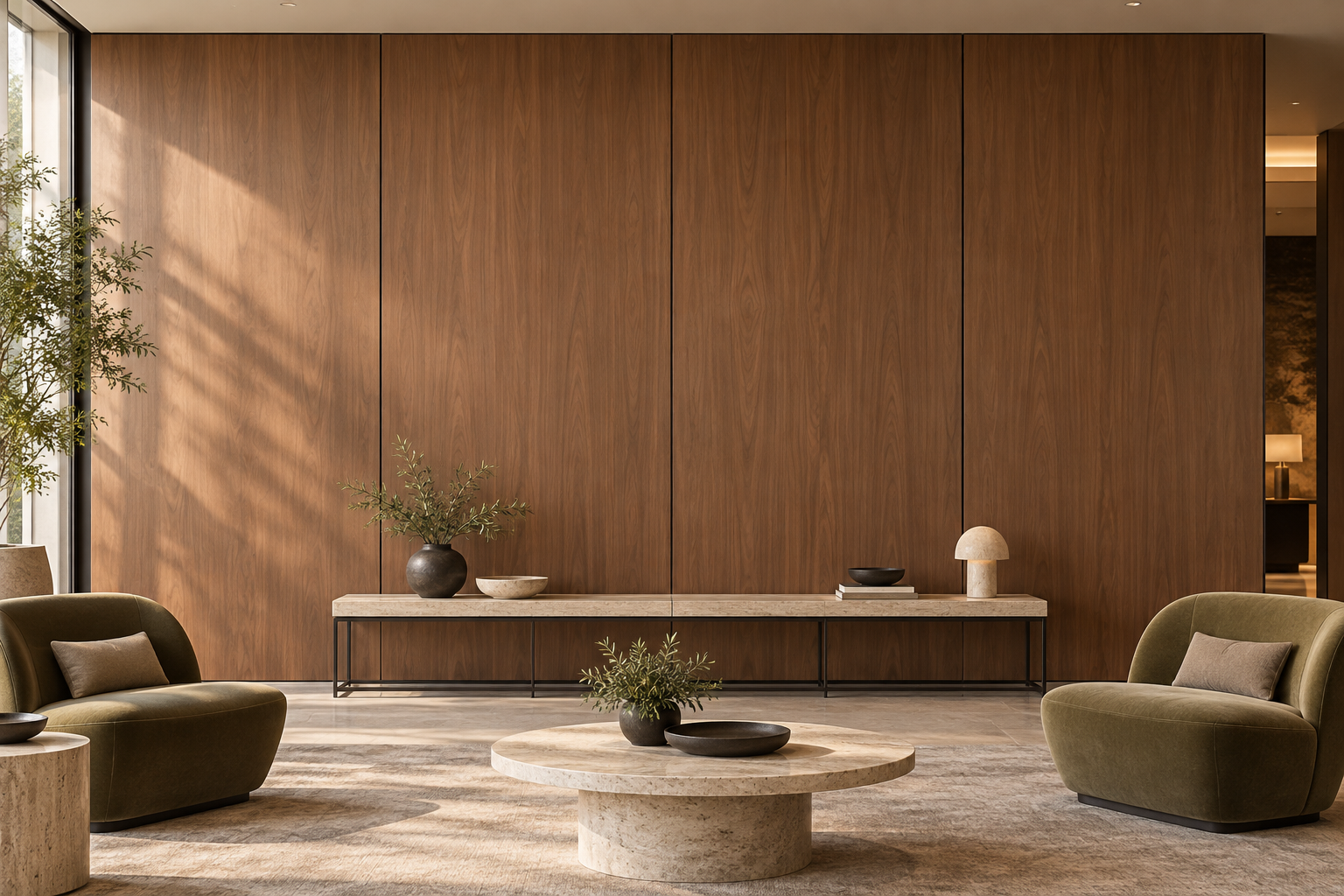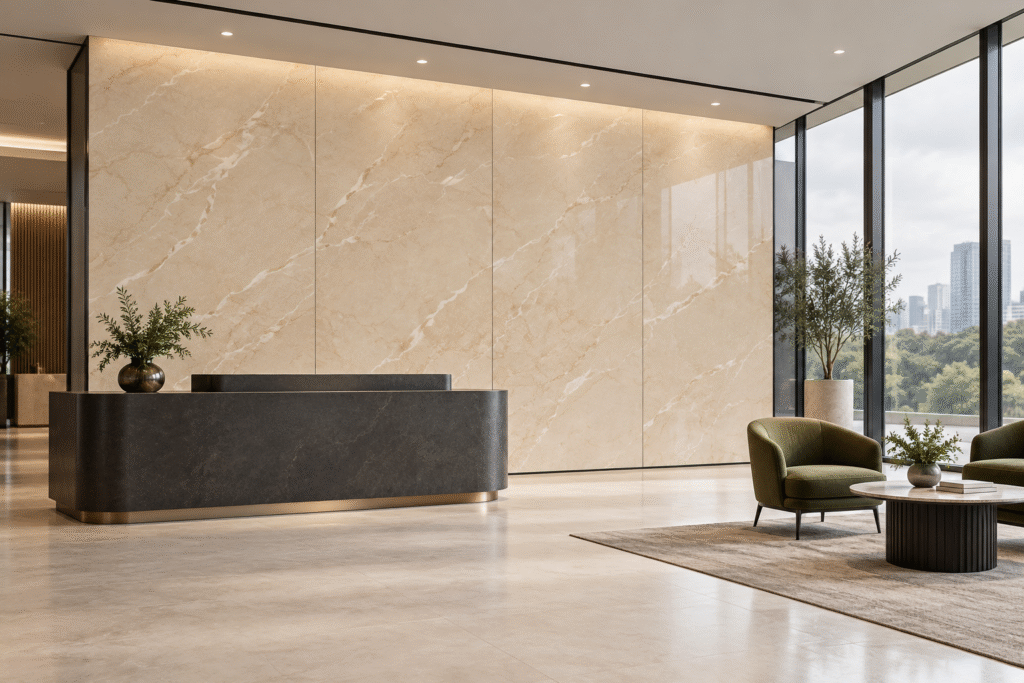
A hotel buyer receives a quotation for UV marble sheets and assumes that “UV” promises protection against sunlight. Meanwhile, the supplier may use that description for a surface-curing process. Those two meanings can enter the same purchase order without anyone noticing. Therefore, an importer should resolve the claim before approving a decorative wall beside large windows.
The practical issue reaches beyond terminology. Project procurement needs to know which statement the supplier actually supports, which finish the evidence represents and which locations the approval covers. A glossy sample or an attractive reception rendering cannot answer those questions. Start with product identity, then move from the claimed property to the relevant evidence.
Quick Answer: Does the UV Name Establish Sunlight Resistance?
No. Where UV refers to curing a coating, it describes a manufacturing process. It does not establish the finished sheet’s resistance to sunlight, color change or exterior weather. Ask the decorative building materials supplier to define the term, identify the offered construction and provide evidence for the intended exposure. Keep an indoor window-side wall approval separate from any request for exterior use.
Translate the Product Name Into a Written Claim
UV marble sheets also carry the name PVC marble sheets; these names describe the same product category here. However, neither name gives the buyer a complete performance specification. Request the substrate, decorative layer, coating identification and finish code for the actual offer. Ask explicitly whether “UV” refers to production, a tested property or both.
RadTech’s curing explanation describes ultraviolet energy as a way to initiate polymerization in suitably formulated materials. This explains the process term; it does not establish sunlight resistance for a particular decorative sheet. Consequently, place the curing description and any sunlight-performance claim on separate lines of the technical submission.
For a wholesale distributor, that distinction also matters in customer literature. Keep the approved wording beside its supporting document instead of shortening everything to “UV resistant.” If a claim remains undefined, record the clarification as open before the sales team repeats it across a collection or promises outdoor suitability.
Check What the Test Specimen Actually Represents
First, match the report to the offered finished sheet. A document naming only a coating resin, a different decorative film or an unidentified plastic sample needs clarification. Ask the supplier to explain the connection in writing. Do not assume that a familiar trade name proves the report covers every construction sold under that name.
Next, check the finish reference, specimen description and any production identification. If the quotation offers several marble patterns, ask which the evidence covers. The buyer should not invent a rule that every color behaves identically, or assume that one tested decor automatically represents a new decorative layer. Request the supplier’s stated coverage and limitations.
Also, keep a retained reference of the actual approved finish. Label it with the offer reference and approval date, then link it to the report record. This controls document identity; it does not transform a stored sample into a long-term exposure test. Require review if the supplier later changes a relevant layer or formulation.
Match the Exposure Question to the Intended Interior
Describe the room before asking the laboratory or technical reviewer which evidence to use. Identify glazing, proposed wall locations, shading arrangements and expected operating conditions. A hotel reception wall beside tall windows and an office reception wall farther into a glazed lobby may need different application reviews, even when both use the same marble pattern.
The official ASTM D4459-21 scope addresses exposure of indoor plastics using window-glass-filtered xenon-arc equipment. ASTM also notes that operating conditions affect results and require reporting. This provides a useful distinction between an indoor exposure question and a generic “UV test” label. The responsible reviewer should determine whether this or another method fits the actual product and project.
Ask for the report’s method and edition, exposure settings, duration and evaluated property. Then establish what the result says about the proposed claim. A report title alone does not supply a project acceptance limit, and this article does not prescribe a universal test duration or allowable color difference for all UV marble sheets.
| Submission item | Buyer question | Approval record |
|---|---|---|
| UV terminology | Does it describe curing, an exposure property or both? | Exact supplier statement |
| Specimen identity | Does the tested construction match the finished offer? | Product and finish references |
| Exposure method | Which light source, filters and conditions apply? | Complete report reference |
| Evaluated change | What property and acceptance basis does the review use? | Agreed criteria and limitations |
| Application boundary | Which room elevations and conditions does approval cover? | Location schedule and reviewer |
Keep Exposure Hours Separate From Service-Life Promises
An exposure duration becomes useful when the buyer understands its method, specimen and evaluation basis. However, a larger hour count does not automatically establish a longer service life across different test programs. Compare reports on a relevant common basis with qualified technical support, rather than sorting quotations by the largest number.
Q-Lab’s correlation guidance explains why a simple energy or time calculation cannot provide a universal conversion from accelerated exposure to outdoor years. Accordingly, ask the supplier to substantiate any service-life statement separately. Do not add a guaranteed number of years to a window-side wall quotation by converting laboratory hours yourself.
During sample evaluation, review the approved pattern under the planned lighting and glazing arrangement. Use that review for appearance and layout decisions within its stated scope. It cannot replace exposure evidence. Equally, a bright concept image illustrates an interior design and should never serve as proof of colorfastness or a record of an actual customer installation.
Carry the Decision Into the Bulk Order
Common sheet sizes include 1220 x 2440 mm and 1220 x 2900 mm. These are common formats, not the only possible sizes or a promise of current availability. Confirm the offered dimensions and usable coverage, then connect the chosen finish to the approved wall elevations. A larger format changes the layout discussion without proving better sunlight resistance.
For the building contractor, installation cost should reflect the agreed substrate, attachment, joints and edge details. Maintenance cost should follow the selected product’s permitted care routine. Ask about durability through the relevant technical specifications, and keep appearance acceptance separate from unrelated performance approvals.
Buyers should verify test reports, VOC limits, fire rating documents and warranty terms for the exact supply. Confirm MOQ, lead time and container loading after resolving the finish and application scope. For custom colors or OEM/ODM cooperation, ask whether the proposed change requires additional evidence before committing to the bulk order.
B2B Buyer FAQs
Does a UV-cured surface automatically suit an exterior wall?
No. Obtain a separate intended-use statement and relevant evidence for exterior exposure. An indoor decorative approval and a coating-process description cannot establish that application.
Can a coating supplier’s report approve the complete sheet?
Ask the sheet supplier to document its relevance to the finished construction. Resolve missing product identity or scope before the project relies on the report.
Should buyers compare exposure reports by hours alone?
Compare the method, conditions, specimen and evaluated property first. Different exposure programs can answer different questions, so the hour count needs context.
Does a window-side sample prove long-term appearance?
A short appearance review helps the design team assess the proposed finish in its setting. It does not establish long-term sunlight performance or replace appropriate evidence.
What belongs in a quotation request for a bright lobby?
Include elevations, glazing and shading information, finish references and quantities. Request the supplier’s intended-use limits, relevant exposure documentation and product-specific warranty wording.
Request a Finish-Specific Interior Proposal
Send Witop Decor your reception-wall layout and finish preferences to request samples, technical data sheets and a project quotation. Include sunlight-related questions in the bulk order inquiry. Agree the product description, evidence scope and permitted application before the team approves production.

James is a content creator and decorator with five years of experience designing home decor. In his daily life, james is constantly on the lookout for the latest, great examples of house design and further optimizes his solutions. Additionally, he writes articles related to outdoor design, interior design, and architectural decorating materials to help brands build more engaging relationships with their audiences.