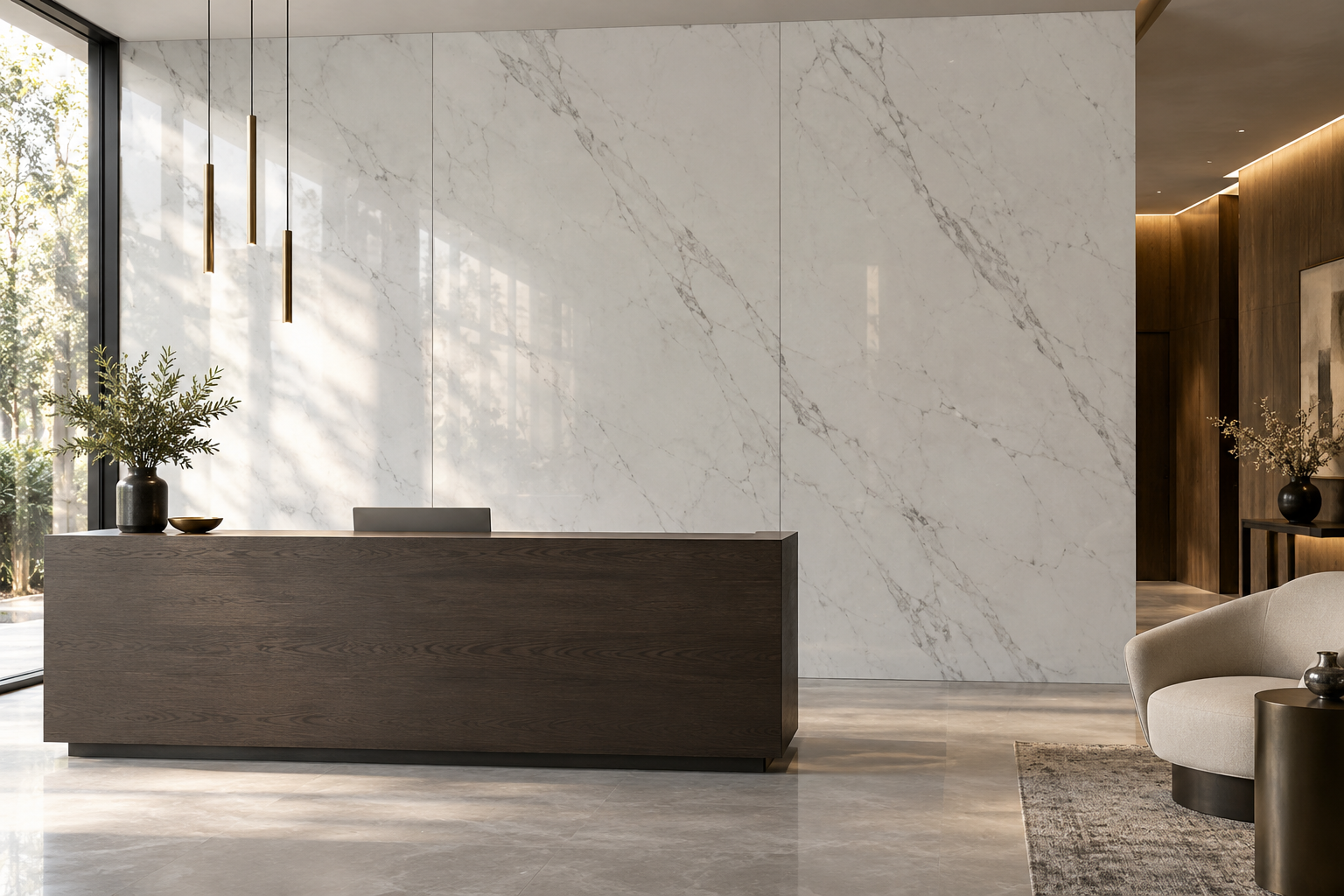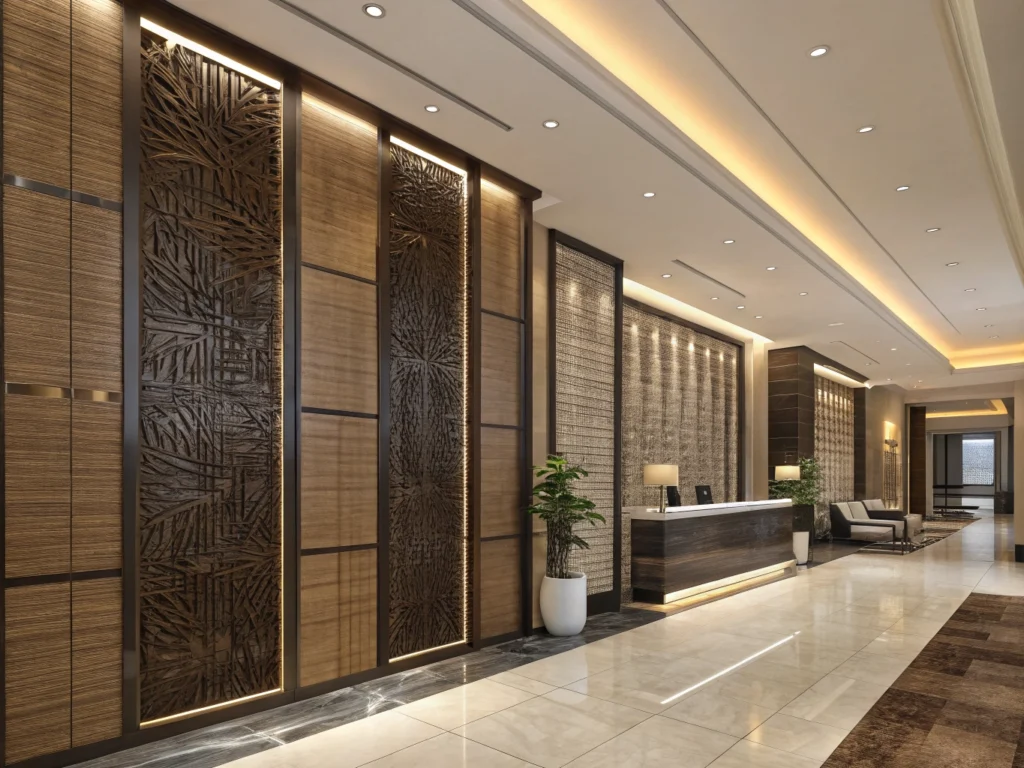
Direct Answer: Why Should B2B Buyers Evaluate Bamboo Charcoal Wall Panels Carefully?
Bamboo charcoal wall panels give importers, wholesalers, distributors, and contractors a decorative wall material with strong design flexibility, modern surface options, and practical installation value. Moreover, they can help B2B buyers build a higher-value wall panel product line for hotels, apartments, offices, retail stores, villas, and commercial renovation projects.
However, buyers should evaluate bamboo charcoal panels with a technical sourcing mindset. Instead of relying only on design photos or broad environmental claims, buyers should compare substrate structure, surface finish, VOC-related documents, fire-related information, dimensional stability, packing quality, lead time, MOQ, and supplier support before placing bulk orders.
What Are Bamboo Charcoal Wall Panels in B2B Decorative Materials?
Bamboo charcoal wall panels are decorative interior wall cladding materials that usually combine a panel substrate with surface films, textures, or finishes designed for modern interiors. In many markets, buyers position them as premium wall decoration products because they can offer wood grain, fabric texture, stone texture, metallic effects, leather-like finishes, or solid color surfaces. Additionally, they often support fast wall coverage, cleaner installation, and flexible design matching.
For B2B buyers, the product matters because it sits between design demand and project efficiency. A wholesaler wants a wall panel that dealers can explain quickly. An importer wants stable container supply and repeatable SKUs. A contractor wants easier cutting, reliable surface quality, and fewer site complaints. Therefore, bamboo charcoal wall panels should not be evaluated as a simple decorative sheet. They should be evaluated as a commercial product system.
Witopdecor offers multiple decorative building material categories for overseas B2B customers, including wall panels, UV marble sheets, acoustic panels, SPC flooring, and related interior decoration materials. Consequently, buyers can consider bamboo charcoal panels as part of a broader wall and surface material sourcing plan.
The Main Search Intent Behind “Bamboo Charcoal Wall Panel Supplier”
When overseas buyers search for a bamboo charcoal wall panel supplier, they usually want more than a price list. They want to know whether the supplier can support wholesale distribution, project supply, OEM/ODM packaging, stable quality, and repeat cooperation.
Additionally, many buyers want to understand whether the product can create a stronger channel story than ordinary PVC panels or basic MDF boards. For example, a distributor may ask whether bamboo charcoal panels can help dealers sell a premium wall system. Meanwhile, a project contractor may ask whether the panels can reduce finishing time compared with painting, laminates, or traditional carpentry. Moreover, an importer may ask whether the factory can keep colors and surface textures stable across repeat containers.
As a result, content about bamboo charcoal wall panels should answer real procurement questions. It should cover technical specifications, application scenarios, compliance checks, packing details, and after-sales risk.
Bamboo Charcoal Wall Panels vs. Other Interior Wall Materials
B2B buyers often compare bamboo charcoal panels with WPC wall panels, UV marble sheets, MDF panels, PVC wall panels, and painted walls. However, each material serves a different business role.
| Material Option | B2B Advantage | Key Sourcing Concern | Best-Fit Application |
|---|---|---|---|
| Bamboo Charcoal Wall Panels | Rich surface designs, modern premium positioning, efficient wall coverage | Buyers should verify substrate quality, surface film, VOC documents, and batch consistency | Hotels, apartments, offices, villas, retail interiors, feature walls |
| WPC Wall Panels | Strong profile depth, wood-plastic structure, decorative slat effects | Profile stability, density, color consistency, accessory matching | Corridors, ceilings, commercial walls, decorative cladding |
| UV Marble Sheets | Marble-look surface, large-format wall coverage, lighter handling than stone | Surface gloss, pattern consistency, packing protection | Reception walls, elevator lobbies, shop fitting, bathroom-like dry areas where suitable |
| MDF Wall Panels | Easy machining and painting | Moisture sensitivity, heavier finishing process, paint labor | Custom carpentry and dry interior projects |
| Painted Walls | Low material entry cost | More site labor, longer finishing time, maintenance repainting | Basic interior projects with limited design requirements |
Therefore, importers should choose bamboo charcoal panels when their market needs decorative variety, premium wall finishes, and stronger showroom appeal. In contrast, buyers may choose WPC wall panels when profile depth and linear decorative effects matter more. Moreover, UV marble sheets may fit projects that require a stone-look wall surface.
Technical Specifications B2B Buyers Should Compare
Bamboo charcoal wall panels can look similar in photos, yet their actual quality may vary significantly. Therefore, B2B buyers should request clear specifications and physical samples before confirming a bulk order.
1. Panel Size, Thickness, and Tolerance
Panel size affects installation planning, carton design, warehouse handling, and container loading. Additionally, thickness affects perceived quality, cutting behavior, and project suitability. Buyers should confirm actual dimensions, thickness tolerance, and recommended application areas because these details influence both contractor satisfaction and distributor claims.
2. Substrate Structure and Flatness
A stable substrate helps the panel stay flat during storage, transport, and installation. However, buyers should not judge stability only by one small sample. Instead, they should test several sample pieces, check edge quality, review cutting behavior, and ask the supplier how it controls production consistency. This process helps importers avoid problems such as warping, weak edges, or inconsistent board density.
3. Surface Film, Texture, and Scratch Resistance
The surface drives the customer’s first impression. A strong surface program may include wood grain, marble texture, fabric texture, metal finish, leather texture, or matte solid colors. Moreover, surface texture affects how dealers display samples and how designers match panels with flooring, lighting, furniture, and ceiling materials.
However, buyers should test surface performance under realistic conditions. They can check cleaning behavior, scratch visibility, color tone under warm and cool lighting, and surface protection during transport. Consequently, they can select designs that fit local customer expectations instead of choosing only the most attractive catalog photos.
4. VOC and Fire-Related Documents
Many buyers associate bamboo charcoal panels with environmental positioning. Nevertheless, B2B importers should use careful language in their own marketing unless documents support each claim. Buyers should ask for available VOC-related information, fire-related documents, material composition details, and warranty terms.
Additionally, local regulations differ by country and project type. A hotel project, school project, commercial office, or apartment development may require different documentation. Therefore, importers should verify local requirements before they promote the panels for regulated projects.
5. Packing, Labeling, and Container Loading
Export packing can directly affect profit. Weak cartons, poor edge protection, or unclear labels may increase damage, warehouse errors, and dealer complaints. Therefore, buyers should review carton thickness, inner protection, pallet options, moisture control, product labels, barcode needs, and container loading quantity.
Moreover, private label packaging can support distributors who want to build their own brand. However, buyers should confirm artwork approval, MOQ, carton printing cost, and lead time before they request OEM packaging.
Commercial ROI: How Bamboo Charcoal Panels Can Improve Channel Value
Bamboo charcoal wall panels can support higher channel value when buyers manage the product line correctly. Instead of competing only on low price, distributors can create value through surface selection, sample displays, dealer education, installation guidance, and project quotation support.
Additionally, the product can help importers serve multiple customer groups with one category. Dealers can sell panels for feature walls and interior upgrades. Contractors can use them for faster wall finishing in commercial projects. Designers can specify them when they need texture, color, and quick installation. As a result, a focused bamboo charcoal panel program may improve inventory turnover and increase repeat inquiries.
However, ROI depends on more than the buying price. Importers should calculate product cost, freight cost, customs cost, storage cost, sample cost, damage rate, claim rate, dealer margin, and reorder speed. A slightly higher-quality panel may create better profit if it reduces complaints and supports stable repeat orders.
B2B Procurement Pain Points and Practical Solutions
Bamboo charcoal panel buyers often face several sourcing challenges. First, catalog photos may not show real surface texture accurately. Second, sample colors may differ from bulk production if the factory does not control batches well. Third, low-quality packing may damage corners during long-distance shipping. Fourth, unclear installation guidance may create problems for contractors. Finally, broad environmental claims may create risk if buyers cannot support them with documents.
Therefore, buyers should create a simple sourcing process. They can request sample kits, compare several surface finishes, check technical data sheets, confirm packing photos, discuss container loading, and ask for pre-shipment inspection support. Moreover, they should keep approved samples for future repeat order comparison.
This process does not slow the business down. Instead, it protects margins and builds trust with local dealers, contractors, and project owners.
How Importers Can Build a Strong Bamboo Charcoal Panel Product Line
A strong product line should begin with market segmentation. For example, importers that sell to contractors may need neutral colors, durable surfaces, and clear installation accessories. In contrast, wholesalers that sell through showrooms may need eye-catching textures, sample books, and premium display boards.
Additionally, buyers should start with a balanced SKU plan. They can select several wood tones, several stone textures, several fabric or leather textures, and a few modern solid colors. This structure gives dealers enough choice without creating inventory chaos. Moreover, buyers should track which designs create repeat orders instead of judging success only by first-container sales.
OEM/ODM cooperation can further strengthen the channel. Buyers may request private label cartons, exclusive color combinations, customized sample books, or market-specific catalog pages. However, they should confirm MOQ, artwork requirements, lead time, and reorder policy before launching a custom program.
Supplier Selection Checklist for Bamboo Charcoal Wall Panels
Before placing a bulk order, B2B buyers should review these points:
- Target customer type: importer, wholesaler, distributor, contractor, designer, or project buyer
- Application scenario: hotel, office, apartment, villa, retail store, showroom, or commercial renovation
- Panel size, thickness, weight, and dimensional tolerance
- Substrate structure, flatness, edge quality, and cutting behavior
- Surface film, texture depth, color range, gloss level, and batch consistency
- MOQ, lead time, payment terms, and production schedule
- Packing method, carton strength, pallet option, labels, and container loading quantity
- Available VOC-related documents, fire-related documents, specifications, and warranty terms
- Installation accessories, trims, adhesive guidance, and technical support
- OEM/ODM requirements, private label packaging, sample books, and distributor support
- Inspection plan, pre-shipment photos, and claim communication process
Additionally, buyers should evaluate communication quality. A reliable supplier should help buyers compare specifications, prepare samples, and reduce project risk rather than only offering a low quotation.
FAQ: Bamboo Charcoal Wall Panels for B2B Buyers
1. Are bamboo charcoal wall panels suitable for wholesale distribution?
Yes, bamboo charcoal wall panels can suit wholesale distribution because they offer rich surface choices, modern design appeal, and practical installation value. However, distributors should select stable SKUs, verify surface quality, and prepare samples that help local dealers explain the product clearly.
2. What should importers check before buying bamboo charcoal panels in bulk?
Importers should check panel size, thickness, substrate structure, surface film, color consistency, packing strength, MOQ, lead time, technical documents, and container loading quantity. Additionally, they should compare approved samples with bulk production before shipment when possible.
3. Can bamboo charcoal panels support OEM or private label cooperation?
Yes, many B2B buyers use OEM or private label cooperation to strengthen their local brand. Therefore, buyers should discuss carton design, logo use, sample books, exclusive colors, MOQ, artwork confirmation, and production timelines with the factory before placing the order.
4. What documents should buyers request for commercial projects?
Buyers should request available VOC-related information, fire-related documents, product specifications, material details, warranty terms, and installation guidance. However, they should verify local project requirements because each market may apply different rules.
5. How can contractors reduce installation problems?
Contractors can reduce problems by checking wall conditions, cutting tools, adhesive or fixing methods, trims, expansion details, and surface protection before installation. Moreover, importers should provide installation guidance and sample testing support to local contractor customers.
Conclusion: Source Bamboo Charcoal Panels With a B2B Growth Strategy
Bamboo charcoal wall panels can help importers, wholesalers, distributors, contractors, and project buyers build a stronger decorative wall material program. However, successful sourcing requires more than attractive surface designs. Buyers should compare technical specifications, substrate stability, surface quality, VOC-related documents, fire-related information, packing strength, installation support, and repeat supply capability.
Therefore, the right supplier relationship can improve both project delivery and channel profit. If you want to compare bamboo charcoal wall panel specifications, request sample kits, discuss container loading, prepare private label packaging, or build a long-term wholesale product line, contact Witopdecor for B2B sourcing support and project-based quotation.

James is a content creator and decorator with five years of experience designing home decor. In his daily life, james is constantly on the lookout for the latest, great examples of house design and further optimizes his solutions. Additionally, he writes articles related to outdoor design, interior design, and architectural decorating materials to help brands build more engaging relationships with their audiences.