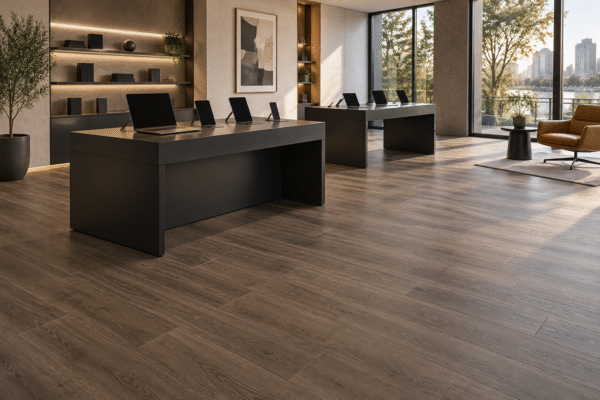
SPC Flooring in Electronics Showrooms: When ESD Control Needs a Separate Specification
Specify SPC flooring for electronics showrooms without confusing decorative finishes with ESD control. Check room use, evidence, and specialist approval.

Specify SPC flooring for electronics showrooms without confusing decorative finishes with ESD control. Check room use, evidence, and specialist approval.
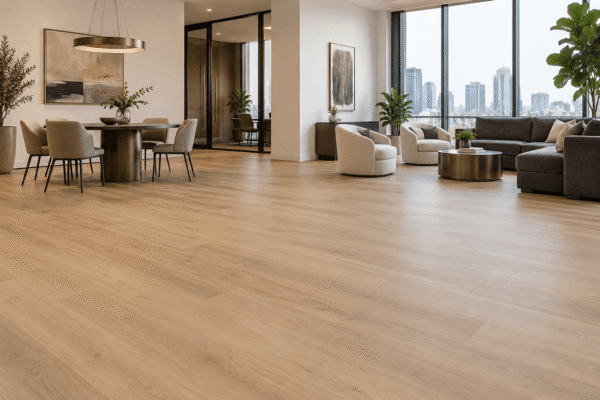
Plan SPC flooring care for commercial projects. Match machines, pads and cleaners to the approved finish, then verify handover costs and responsibilities.
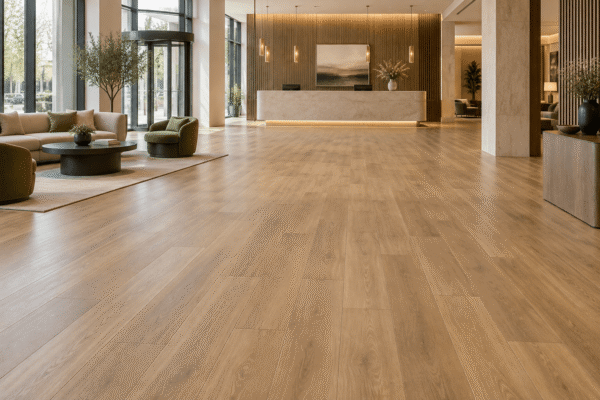
Compare SPC flooring by traffic zone, finish and plank format. Align samples, technical records, MOQ and reorder planning before a commercial bulk order.
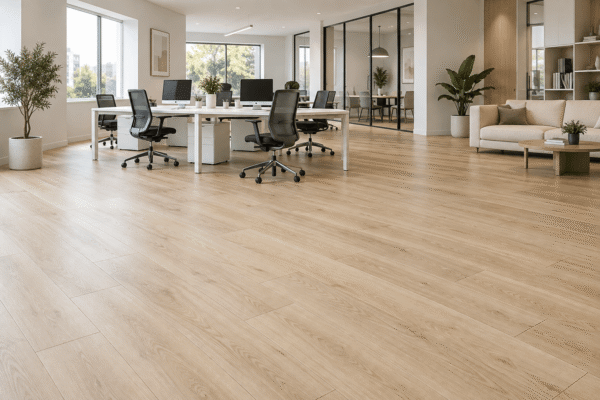
Compare continuous SPC flooring runs with planned movement breaks. Define floor zones, approved profiles and supply quantities before a commercial bulk order.
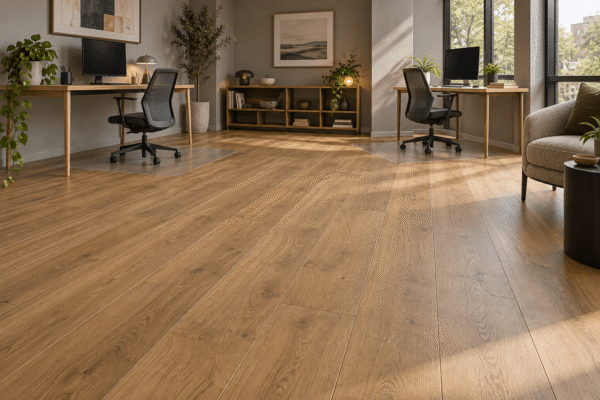
Specify SPC flooring for office chair zones. Check castor and chair mat compatibility, rolling-use evidence, cleaning access and warranty terms before orders.
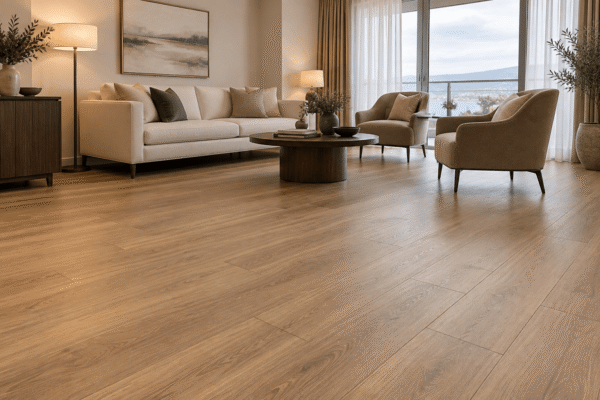
Buy SPC flooring for underfloor heating with documented compatibility, clear temperature controls, thermal resistance data and a complete project handover.
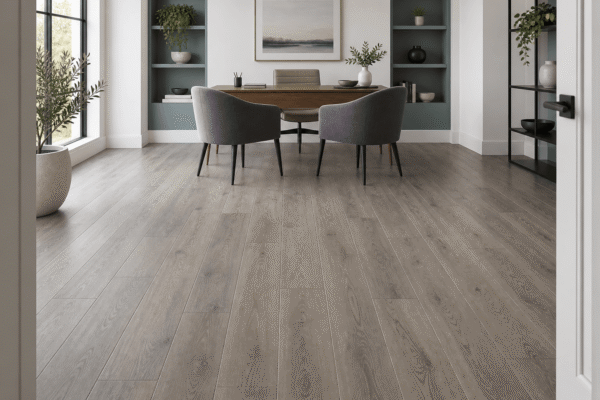
Compare SPC flooring plank widths through room layouts, carton quantities, SKU demand and reorder planning. Build a focused range and request wholesale pricing.
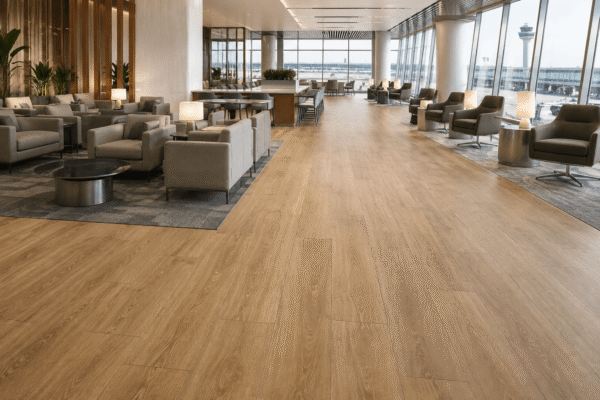
Specify SPC flooring for airport interiors through rolling loads, entrance zones, substrate control, maintenance windows, compliance, and spare stock planning.
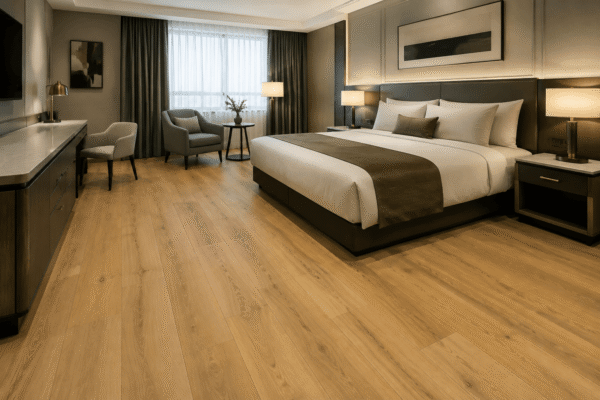
Plan SPC flooring for hotel renovations through room closures, substrate control, acoustic assemblies, furniture, batch zoning, repairs, and phased supply.
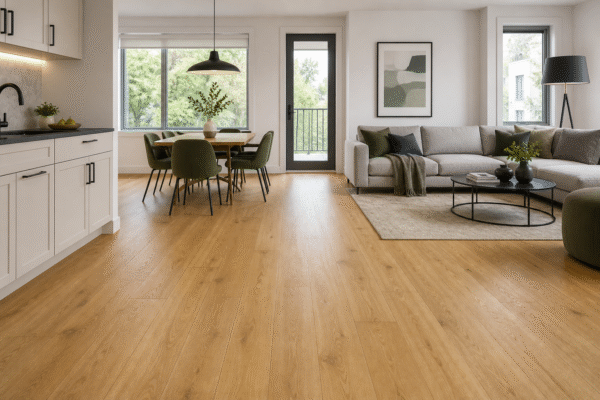
Plan SPC flooring for multifamily housing through unit matrices, acoustic assemblies, subfloor control, turnover repairs, phased supply, and spare stock.
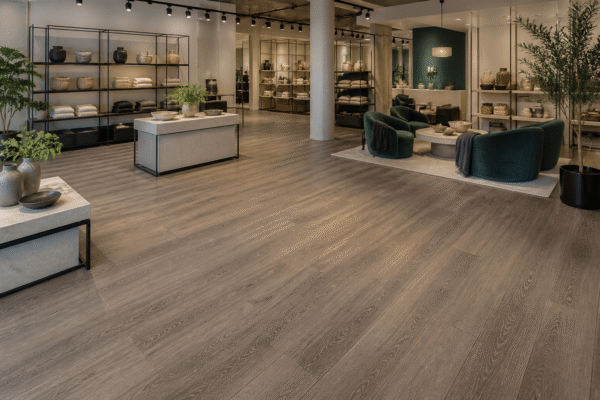
Learn how importers plan SPC flooring SKUs, rollout kits, lot control, spare stock, replenishment, and landed cost for multi-site retail programs.
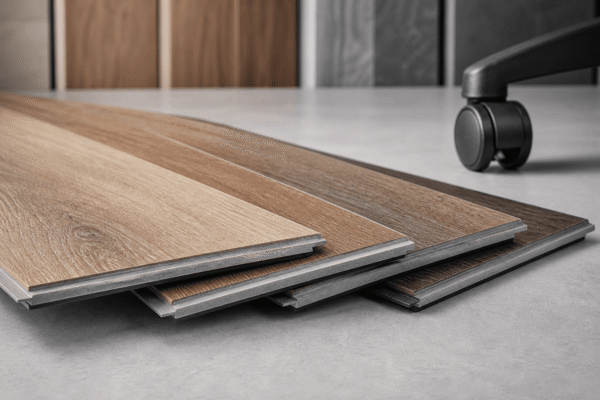
Compare SPC flooring wear layers, coatings, abrasion tests, core density, locking systems, maintenance, MOQ, and lifecycle cost before bulk purchasing.
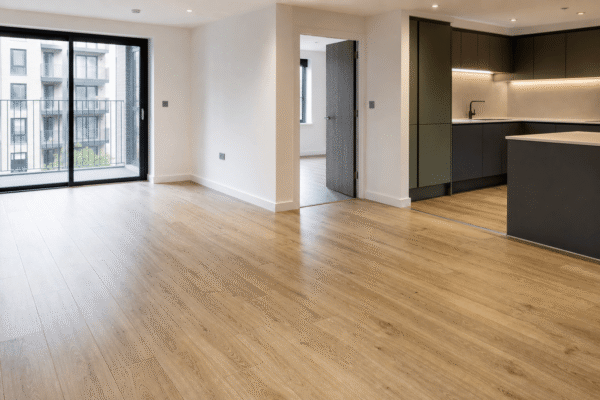
Specify SPC flooring for apartment developments by subfloor moisture, batch zoning, acoustic underlay, wear layers, unit delivery, handover, and spare stock.
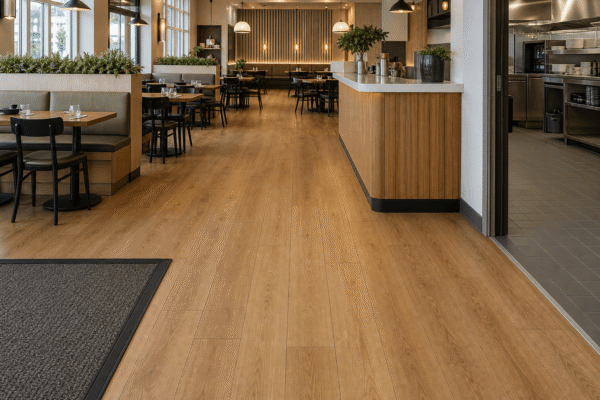
A B2B guide to SPC flooring for restaurant and cafe chains, covering chair loads, spills, kitchen boundaries, subfloors, night installation, batch control, and lifecycle cost.
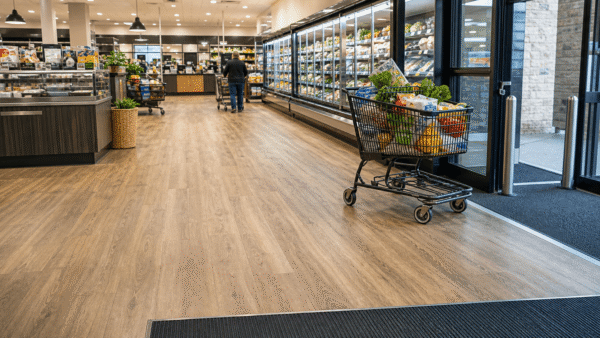
Compare SPC flooring for supermarkets by trolley loads, wet entrances, wear layer, slip tests, subfloor control, batch consistency, packing, and lead time.
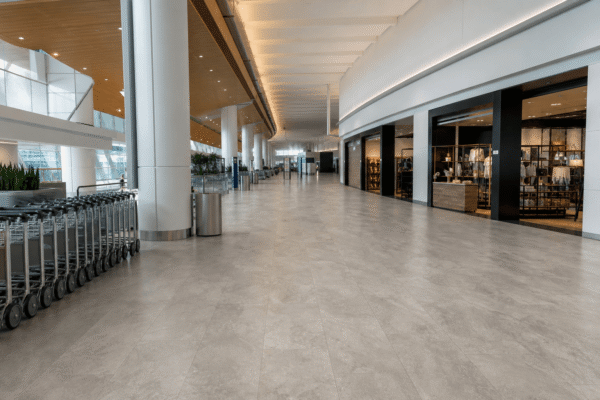
SPC Flooring for Airport Retail and Transit Terminals: Rolling Loads, Seam Control, and Phased Delivery Direct Answer: SPC flooring can support airport retail and transit terminal projects when buyers match the product construction to rolling loads, foot traffic, cleaning routines, subfloor conditions, and restricted installation windows. Importers and contractors should compare the wear layer, rigid…
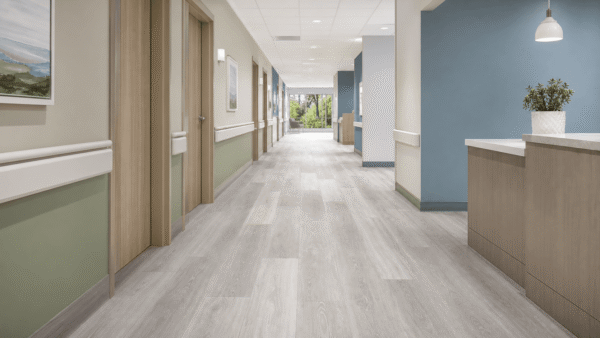
SPC Flooring for Healthcare and Education Corridors: Slip Resistance, Subfloor Tolerance, and Maintenance Planning Direct Answer: SPC flooring can suit healthcare and education corridor projects when buyers match the construction to traffic, cleaning routines, subfloor conditions, and local safety requirements. Importers and contractors should compare the wear layer, overall thickness, click or adhesive method, dimensional…
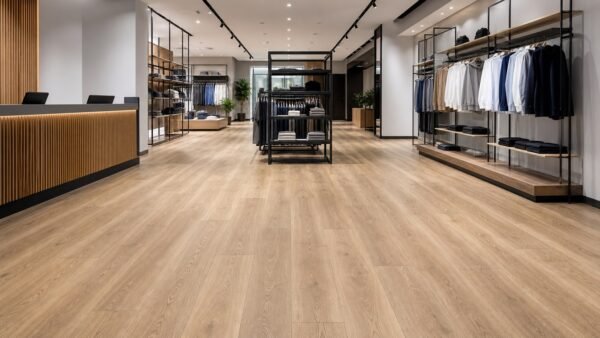
Compare SPC flooring for retail chain rollouts by wear layer, click system, carton labels, phased delivery, MOQ, lead time, maintenance cost, and ROI.
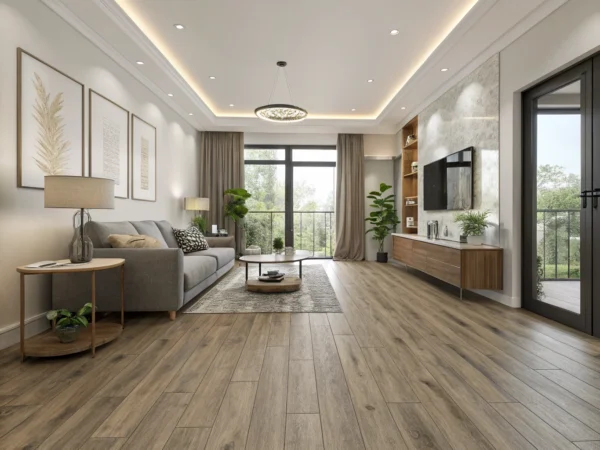
Direct Answer: Why Do Rental Project Buyers Choose SPC Flooring? Rental project buyers choose SPC flooring because it offers modern design, efficient installation, and practical lifecycle cost control for apartments, hotels, offices, and commercial spaces. Moreover, importers and distributors can sell SPC flooring as a repeat-demand product for builders, contractors, and property renovation companies. However,…
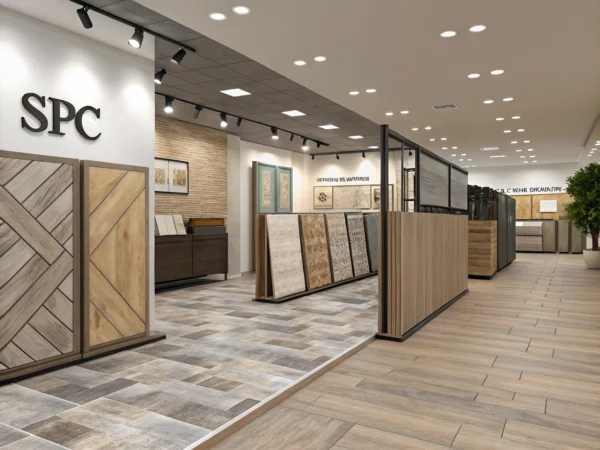
Direct Answer: Why Do B2B Buyers Choose SPC Flooring? SPC flooring gives importers, wholesalers, distributors, contractors, and project buyers a rigid core flooring option with strong commercial appeal, efficient installation, and broad design flexibility. Moreover, it helps B2B buyers serve apartments, hotels, offices, retail stores, rental projects, and commercial renovation markets with a product that…
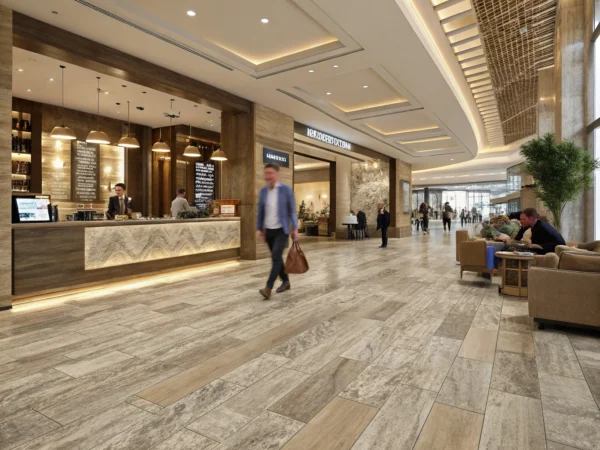
In the rapidly evolving world of construction materials, SPC Flooring (Stone Plastic Composite) has emerged as the definitive leader in the resilient flooring category. Specifically, while traditional laminate and luxury vinyl tiles (LVT) have served the market for decades, they often fail to meet the extreme demands of modern high-traffic commercial environments. Consequently, architects and property developers are shifting…

Laminate Flooring: Your Simple Guide with Witop® What is Laminate Flooring? A budget-friendly floor that looks like wood or stone.Witop® makes it better: Why Choose Witop® Laminate? Feature Regular Laminate Witop® Water Resistance Swells if wet ✅ Blocks spills (72 hours) Durability Scratches easily ✅ Pet claw-proof Install Needs glue ✅ Click-lock (DIY easy) Sound…

SPC Flooring, or Stone-Plastic Composite flooring, is revolutionizing the flooring landscape with its exceptional features. Crafted from a unique blend of limestone and high-quality PVC, SPC offers unparalleled durability that outperforms traditional materials like hardwood and laminate. One of its most compelling advantages is its waterproof nature, making it an ideal choice for moisture-prone areas such as kitchens, bathrooms, and basements. Unlike laminate, which can swell and warp, SPC stands strong against spills and humidity, ensuring that your investment is protected.
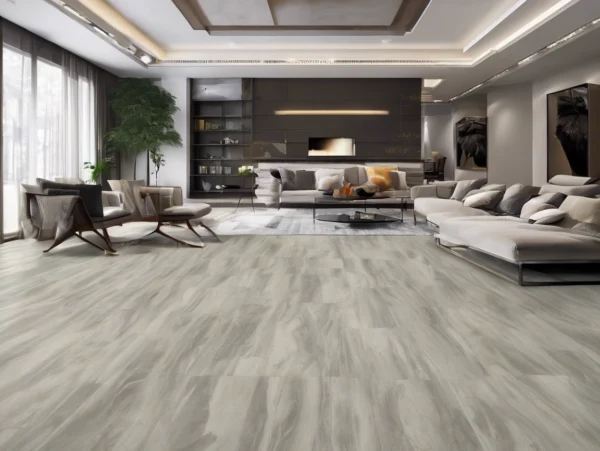
The flooring industry is rapidly evolving, and SPC Flooring is at the forefront of this transformation. Market analysts predict that SPC’s popularity will continue to grow, driven by a rising demand for high-performance, stylish, and sustainable flooring options. As consumers become more discerning about their choices, they seek products that combine durability, aesthetics, and eco-friendliness.

As sustainability becomes increasingly important in today’s market, SPC Flooring rises to the occasion with its environmentally friendly characteristics. Made from recycled materials, SPC flooring not only helps reduce waste but also promotes responsible sourcing. It’s an eco-conscious choice for homeowners and businesses aiming to minimize their environmental footprint.
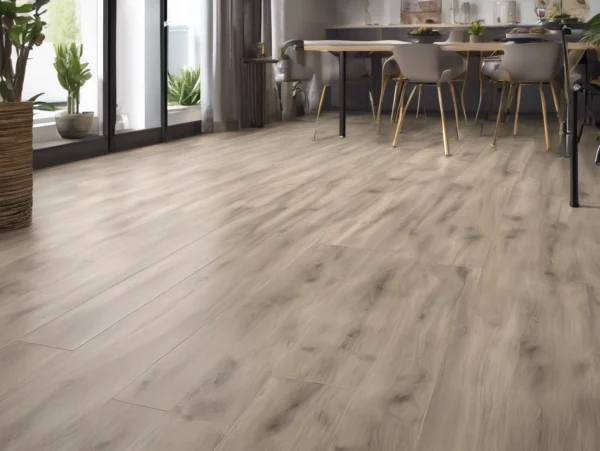
SPC Flooring is not just a product; it is a versatile solution that adapts effortlessly to a myriad of environments. With an array of styles and finishes, from realistic wood grains to elegant stone looks, SPC can complement virtually any design aesthetic. This adaptability makes it suitable for various applications, including residential homes, commercial spaces, and even industrial environments.
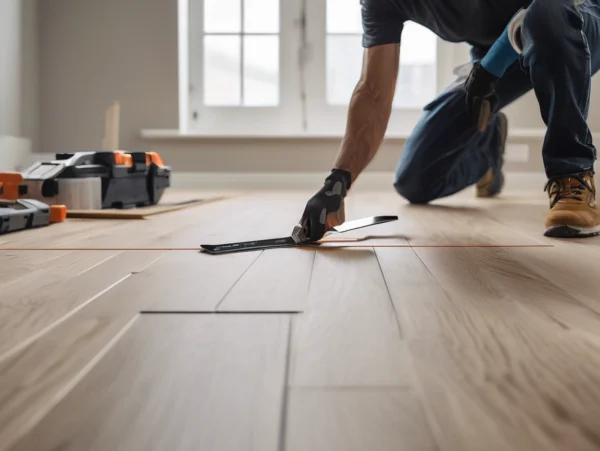
One of the most significant benefits of SPC Flooring is its user-friendly installation process, which is designed to save time and reduce labor costs. The innovative click-lock mechanism allows planks to snap together seamlessly, eliminating the need for glue, nails, or staples. This feature is particularly advantageous for contractors who need to complete projects quickly and efficiently.